Now Reading:

Windsor

Font Selector
Sans Serif
Serif
Font Size
A
A
You can change the font size of the content.
Share Page

Exploring Dutch Heritage Through Research 
Exploring Dutch Heritage Through Research 
Windsor

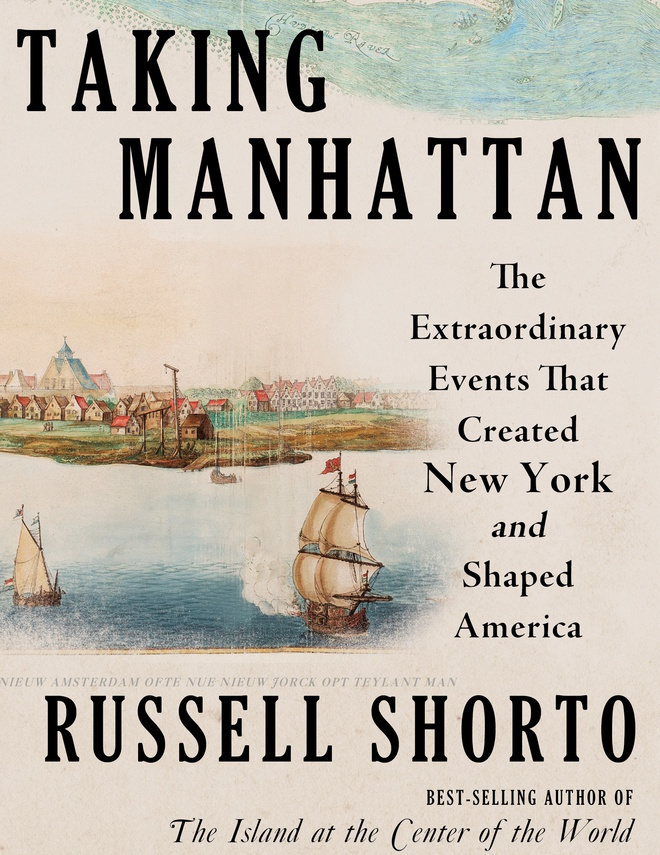
One day in 1633, Dutch soldiers and traders posted at the lonely little fort called House of Hope, one hundred miles from New Amsterdam and the center of Dutch North America, were surprised to see an English ship come sailing up the Fresh River. Jacob Van Curler, in command of the fort, called to the ship and asked where she was headed. “Up the river to trade,” came the answer from her captain, William Holmes. The Dutch trained their guns on the ship; Van Curler demanded that it heave to or be fired on. But the gutsy Holmes ignored the threat and kept pushing northward. Van Curler decided not to fire, and the English eventually reached their destination. It was a choice spot ten miles north of the Dutch fort, which they had purchased from the Pequot Indians. There, they put up a single wooden house and a palisade. Soon after, sixty more of their fellow members of a church congregation in the Plymouth colony joined them. They named their town Windsor. It is considered the first permanent European settlement in the state of Connecticut.

Tourism information for the town of Windsor.

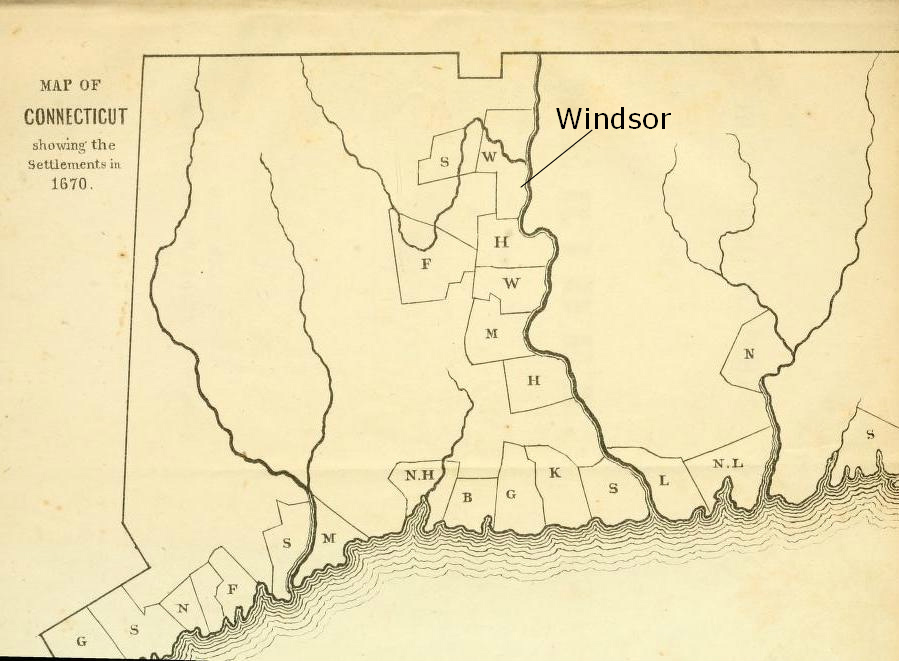
Map of Connecticut sowoing the Settlement's in 1670

Map of Connecticut showing the settlements in 1670 from Historical Sketches of Meriden by G.W. Perkins

I Added the map above from the Connecticuthistory.org site – please APPROVE THE NNI WEBSITE COMMITTEEE AS THIS WAS NOT IN THE ORIGINAL WEBSITE

Tags:
About New Netherland Institute

For over three decades, NNI has helped cast light on America's Dutch roots. In 2010, it partnered with the New York State Office of Cultural Education to establish the New Netherland Research Center, with matching funds from the State of the Netherlands. NNI is registered as a 501(c)(3) non-profit organization. Contributions are tax-deductible to the extent permitted by law.