


“One cannot accomplish as much by well-doing as by having friends in the game.”
— Kiliaen van Rensselaer to Wouter van Twiller, Director-General of New Netherland, 1634
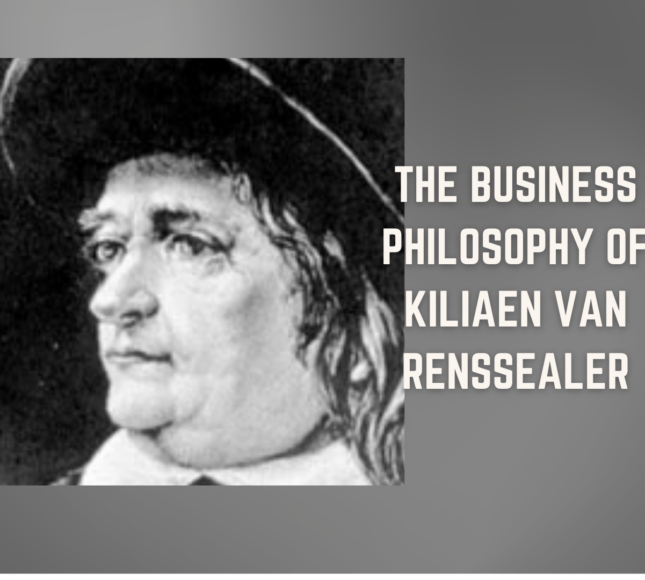
By the time the Dutch West India Company established New Netherland’s system of patroonships in 1629, Kiliaen van Rensselaer was well acquainted with the benefits of the business philosophy expressed above. No doubt influenced by the paramount importance of political connections in the increasingly global seventeenth-century economy, Van Rensselaer understood the importance of his wide-ranging network of business associates, both as an essential system of information gathering and as some assurance of the reliabilty and trustworthiness of his associates.
From a young age, commerce was a family affair. After the death of his father, young Kiliaen’s guardians sent him to Wolphert van Bijler, a relative and successful Amsterdam jeweler. Under Van Bijler, Kiliaen learned not only the intricacies of the jewelry business but also the ins and outs of international business operations, important skills in an increasingly global marketplace. After becoming a successful merchant himself, Van Rensselaer secured a spot on the board of directors of the newly established Dutch West India Company. Van Rensselaer needed to raise a substantial amount of funds to do so and enlisted the help of his large network of friends and relatives to do so. As a representative of these shareholders, Kiliaen needed to have a thorough knowledge of the Company’s affairs. He statyed informed in part through the various contacts he had made through his international business dealings.

The business instincts he acquired in the Old World were strengthened by the circumstances of the patroonship, for he had to rely on his agents to execute his business in his absence. Especially since he felt that the New World had a corrupting influence. “Good people,” he wrote in 1643, “are few and far between” in the Netherlands, “and even if they are good they are easily corrupted [in Rensselaerswijck].” If not always successful, Van Rensselaer tried to use his influence to secure the appointment of friends and the exclusion of adversaries in New Netherland.
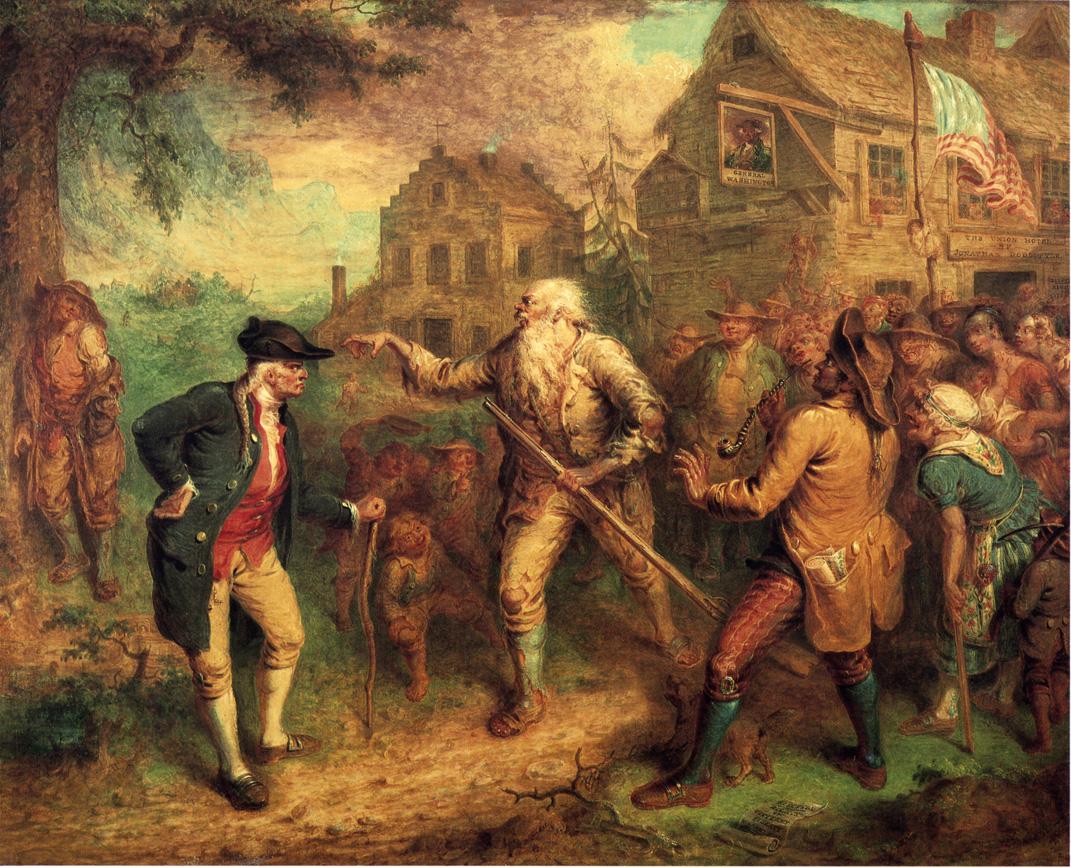
Speculative Portrait of Wouter van Twiller
A cousin of Kiliaen van Rensselar, Wouter van Twiller replaced Peter Minuit as Director-General of New Netherland in 1633. Historian Samuel Nissenson wrote that there “can be no doubt that Van Twiller was appointed director through [Van Rensselaer’s] instrumentality.” *