


From Gothic Window to Kloosterkozijn by Jeroen van den Hurk, Ph. D.
“From Gothic Window to Kloosterkozijn: The Importance of Primary Sources in Understanding the Material Culture of the Settlers of New Netherland”
Annual Meeting of the Friends of New Netherland
January 21, 2006
Jeroen van den Hurk
Copyright 2006
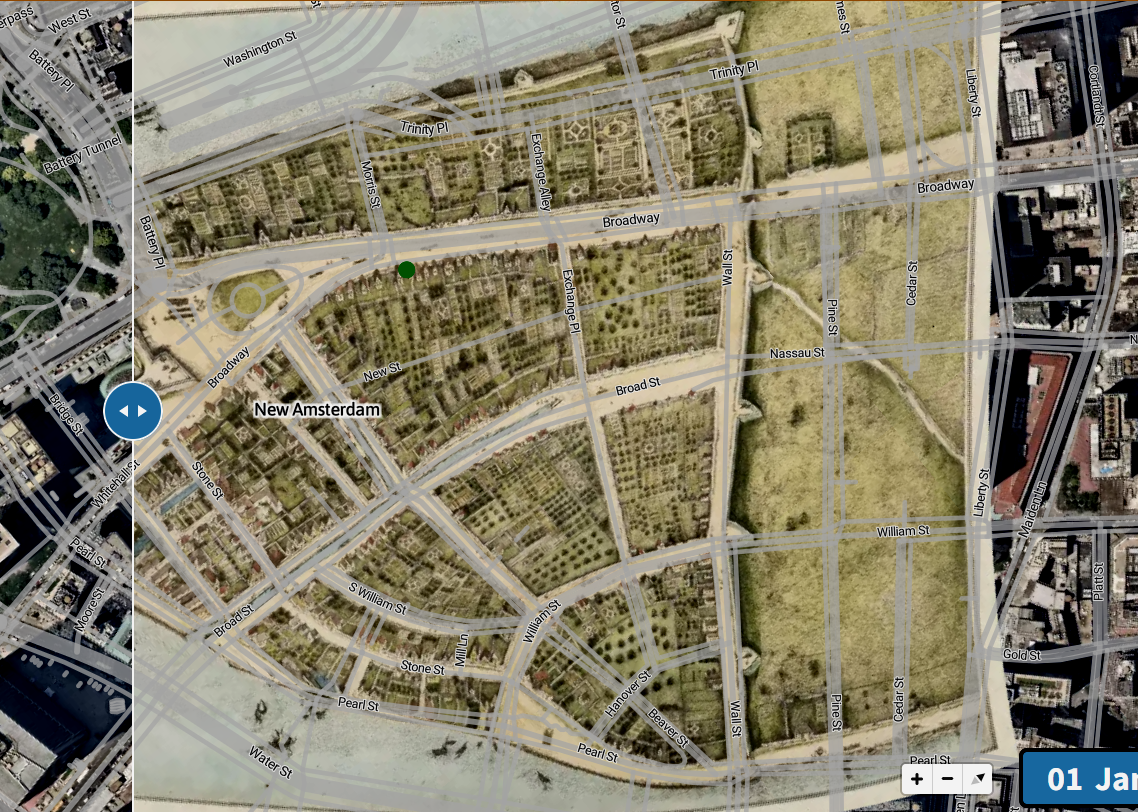
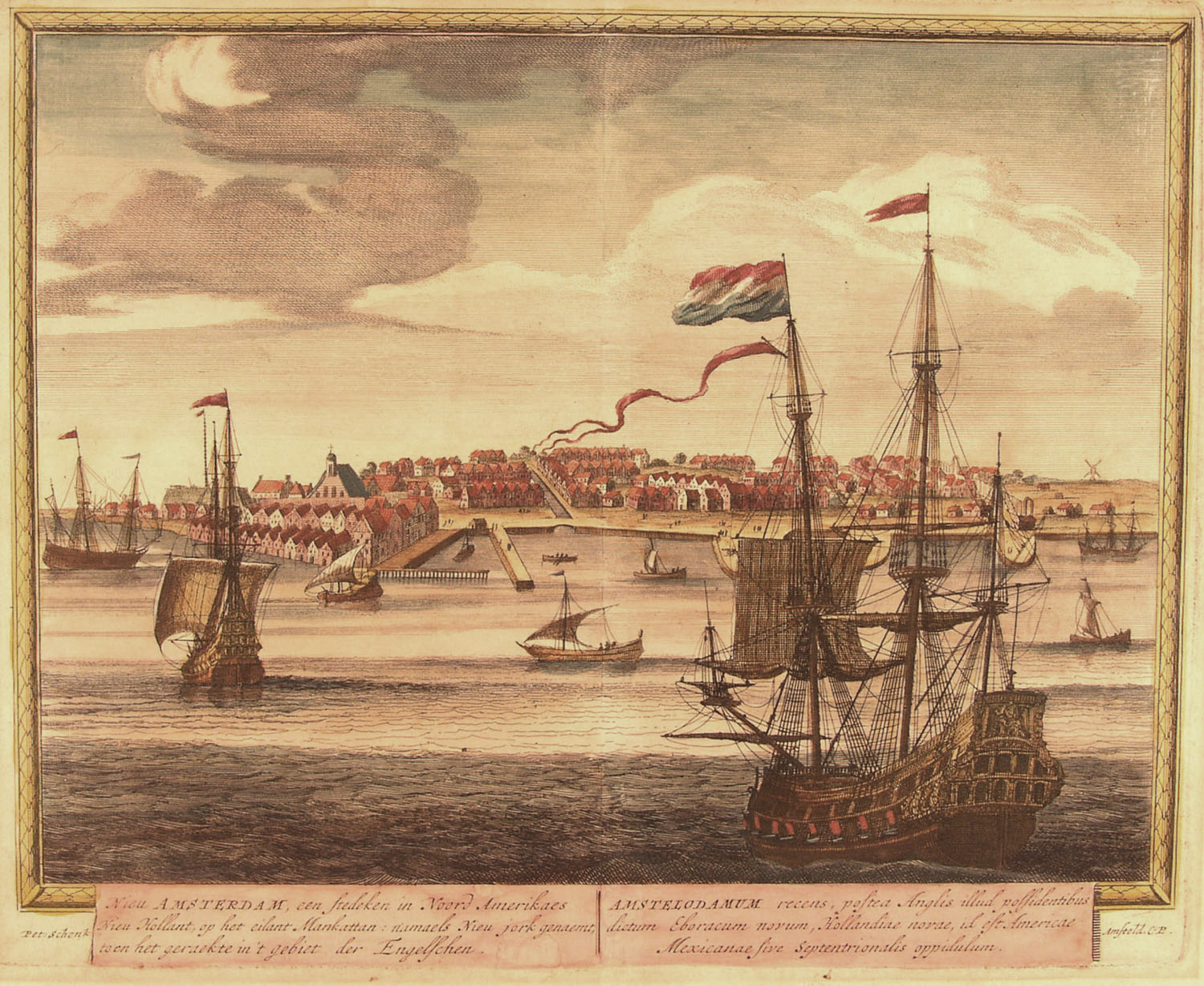
In 1621, the Dutch West India Company (WIC) received its charter from the States General for parts of West Africa, South America, the Caribbean, and a section of North America, to interfere with Spanish interests. Colonization remained a byproduct of this charter, but in 1624, the WIC did make its first serious attempts to settle its North American territory, known as New Netherland, to establish the permanent fur trade with the American Indians of the region.
The forty years of Dutch rule of New Netherland ended with the surrender of the colony to the English on September 8, 1664. Regardless of the fact that the English took control of the territory, signs of Netherlandic culture lasted well into the eighteenth century. Its most visible manifestation is the so-called Dutch Colonial architecture.
Previous scholars have imagined the built environment of New Netherland, based largely on their encounters with this Dutch Colonial architecture. The variety of building types labeled Dutch Colonial in North America is extensive. Builders utilized brick, stone, and frame as building materials, and both gable and gambrel roofs as roof types—both roof types come with or without so-called flared eaves.
Most of these buildings date from the late seventeenth and early eighteenth centuries and survive in rural areas along the Hudson and Mohawk Valleys, from upstate New York to northern New Jersey. Few of these buildings appear to have a clear connection with either the architecture of New Netherland or that of the Netherlands.
Read more of the article here