Now Reading:

Lifeblood of American Liberty by Joep de Koning

Font Selector
Sans Serif
Serif
Font Size
A
A
You can change the font size of the content.
Share Page

Exploring Dutch Heritage Through Research 

Exploring Dutch Heritage Through Research 

Lifeblood of American Liberty by Joep de Koning

Lifeblood of American Liberty 

by Joep de Koning

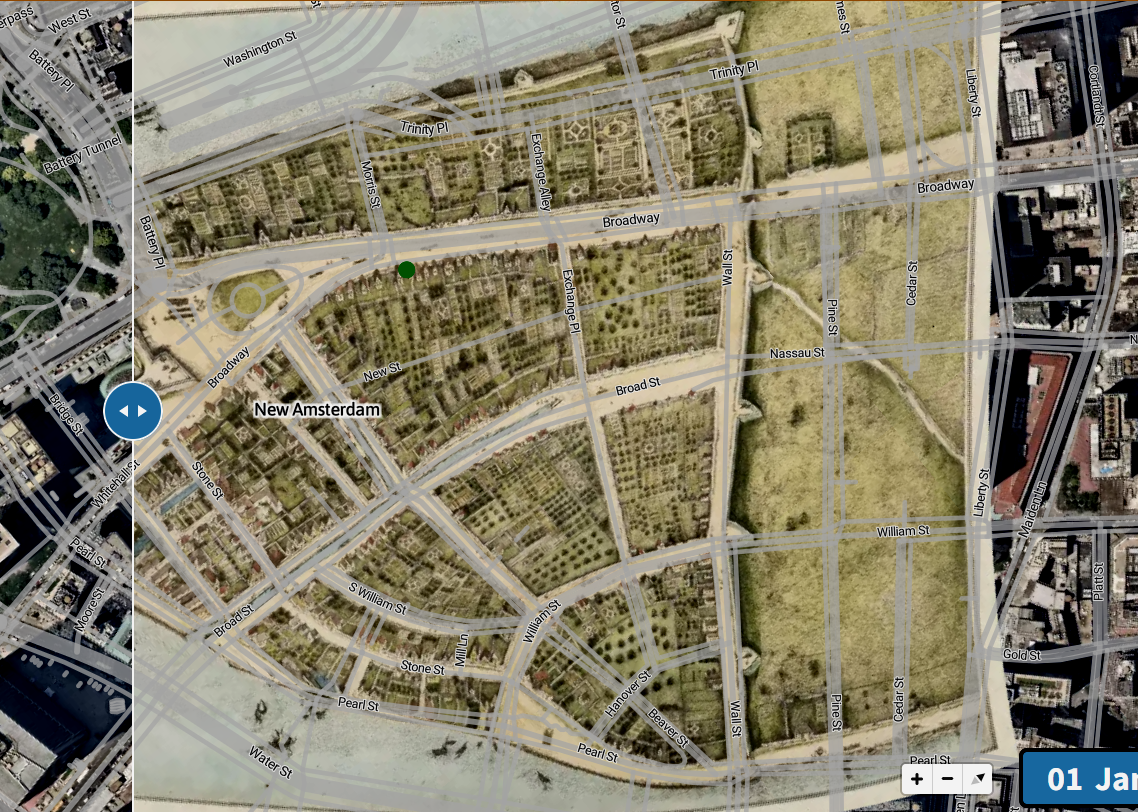
Governors Island: A Crossroads of Cultures and Colonial Beginnings

This island carries a meaning of both historic and cultural importance to the descendants of three continents: Europeans, Africans, and American Indians. Notably, Jan Rodrigues of Santo Domingo—a Latin American of African ancestry and a free man—was the first person known to have spent a summer on Governors Island in 1613.

Rodrigues served as an interpreter and on-the-spot factor in trade negotiations with the Hudson River Indians on behalf of the private Amsterdam fur trader and explorer Adriaen Block. His role was pivotal in bridging communication and fostering trade between European traders and Indigenous peoples.

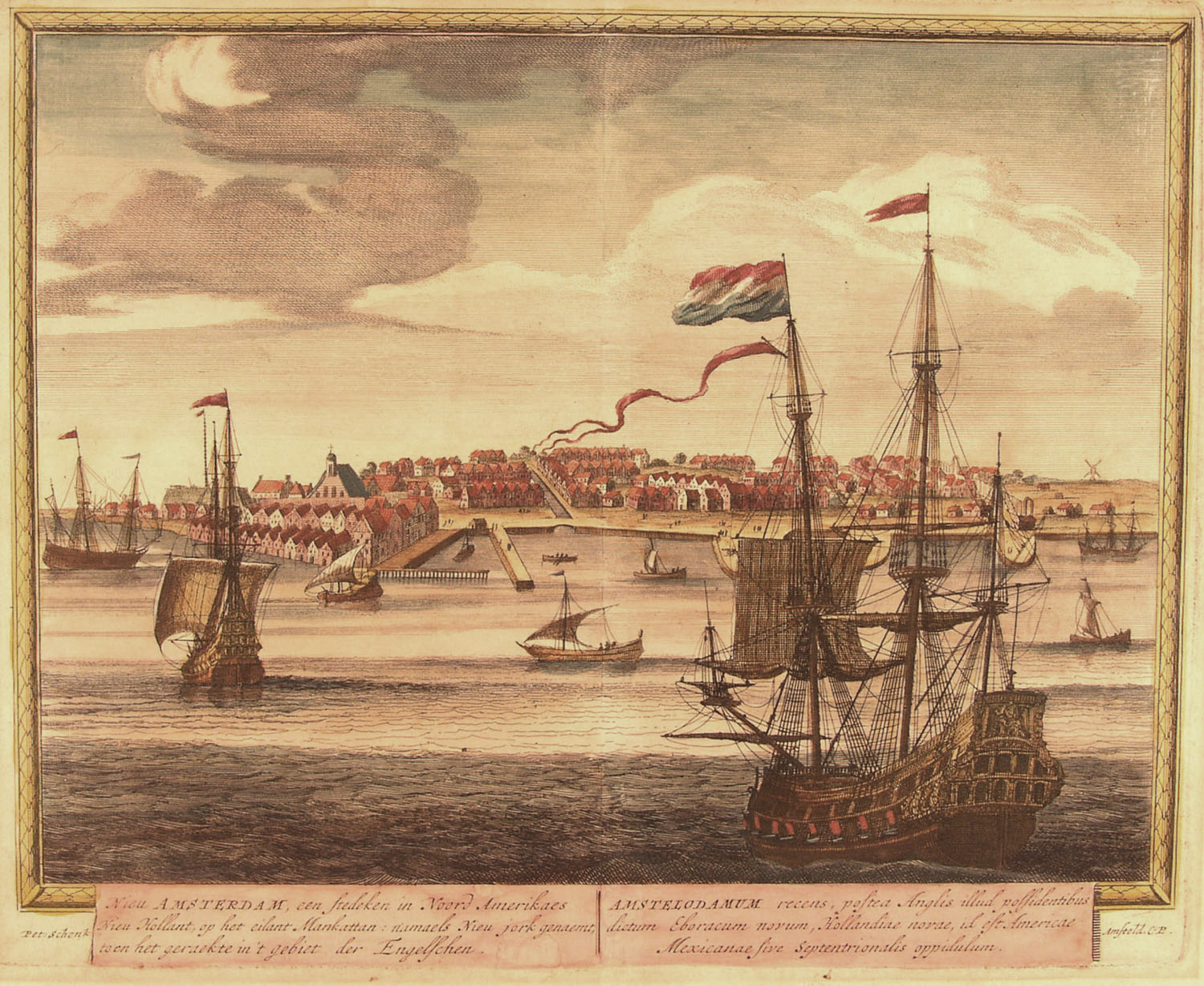
In 1624, Governors Island also became the landing place of the first colonists from the Dutch Republic. Their arrival marked a vital turning point in North American history. These settlers came not merely as traders or explorers, but with specific and formal directives. They carried instructions that incorporated the laws and ordinances of the States of Holland—establishing a legal and civic structure that replaced the informal “law of the ship” which had previously governed the New Netherland territory.

This moment signaled the beginning of the Dutch Republic’s only overseas province—New Netherland—a province that would leave a lasting imprint on the cultural and legal fabric of early America.


Read more of the article here

WHAT WAS NEW NETHERLAND?


About New Netherland Institute

For over three decades, NNI has helped cast light on America's Dutch roots. In 2010, it partnered with the New York State Office of Cultural Education to establish the New Netherland Research Center, with matching funds from the State of the Netherlands. NNI is registered as a 501(c)(3) non-profit organization. Contributions are tax-deductible to the extent permitted by law.