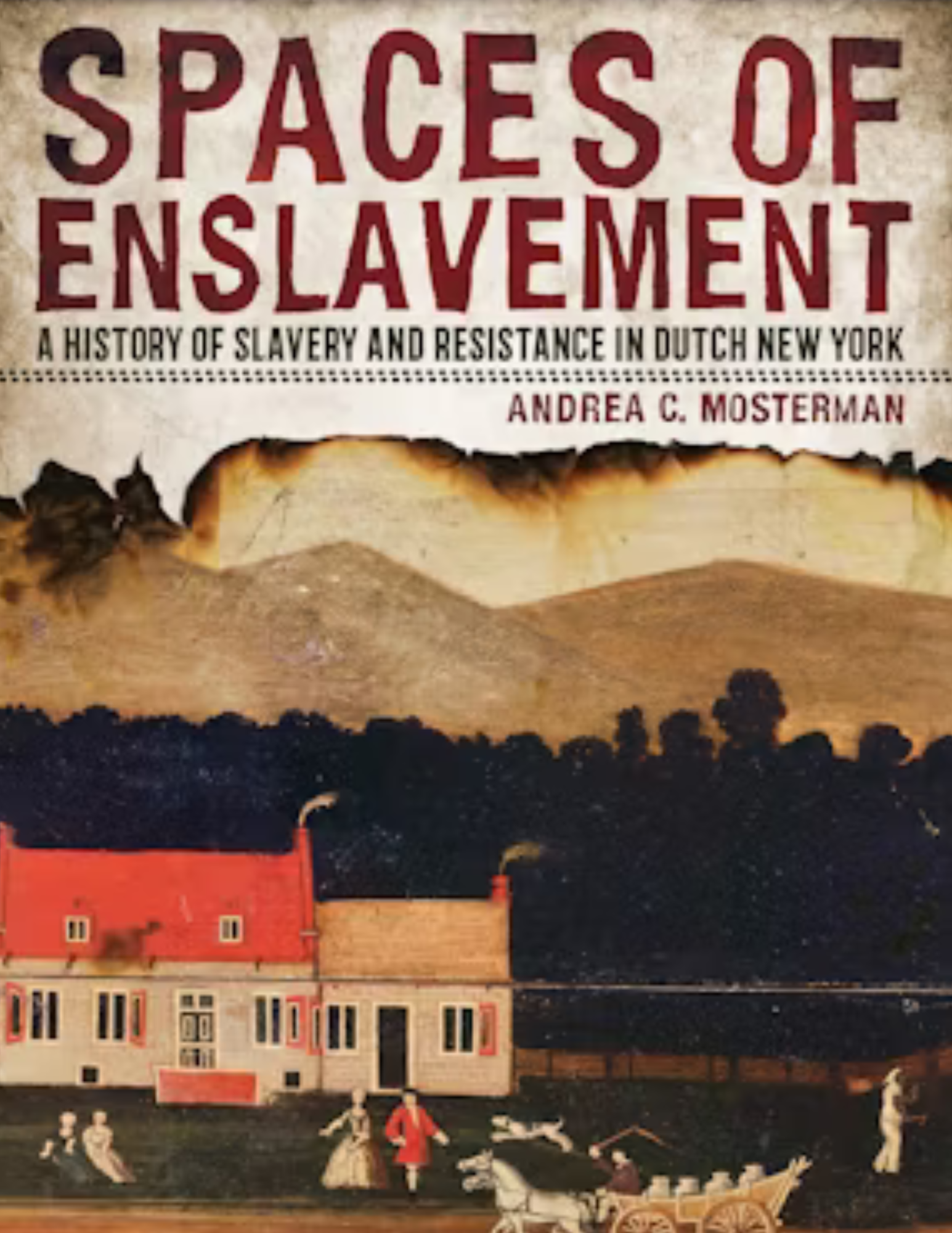
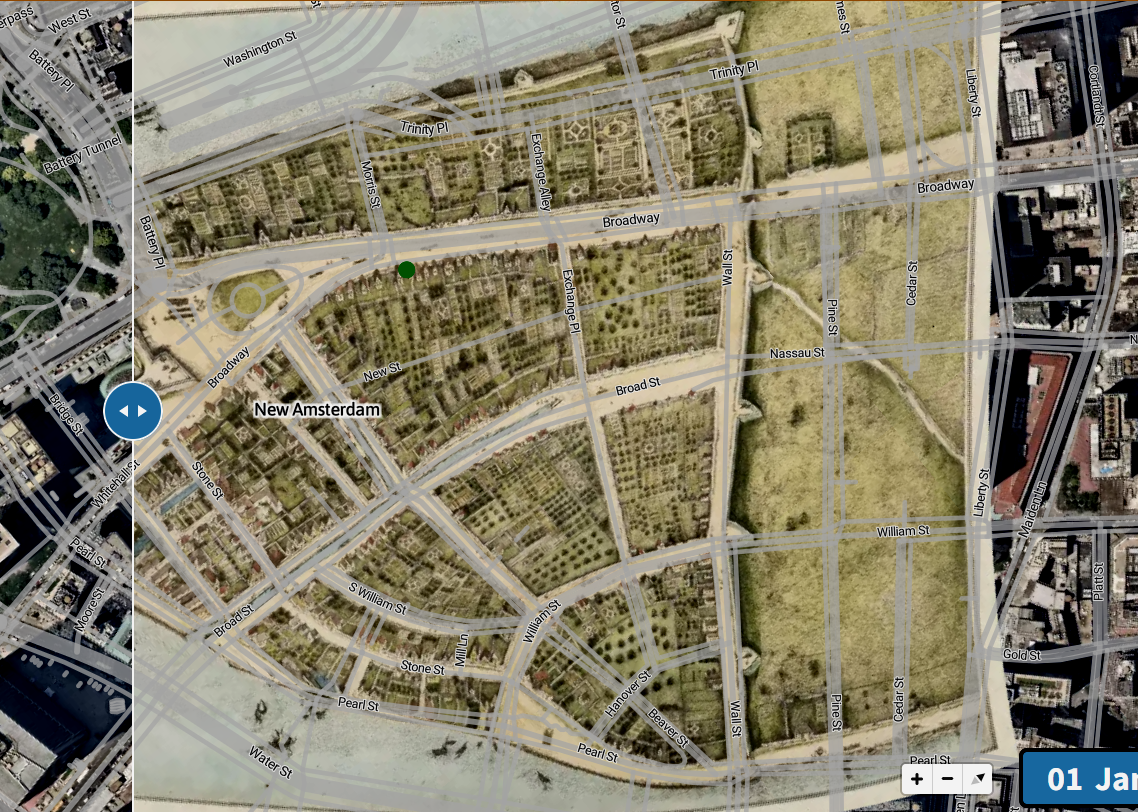
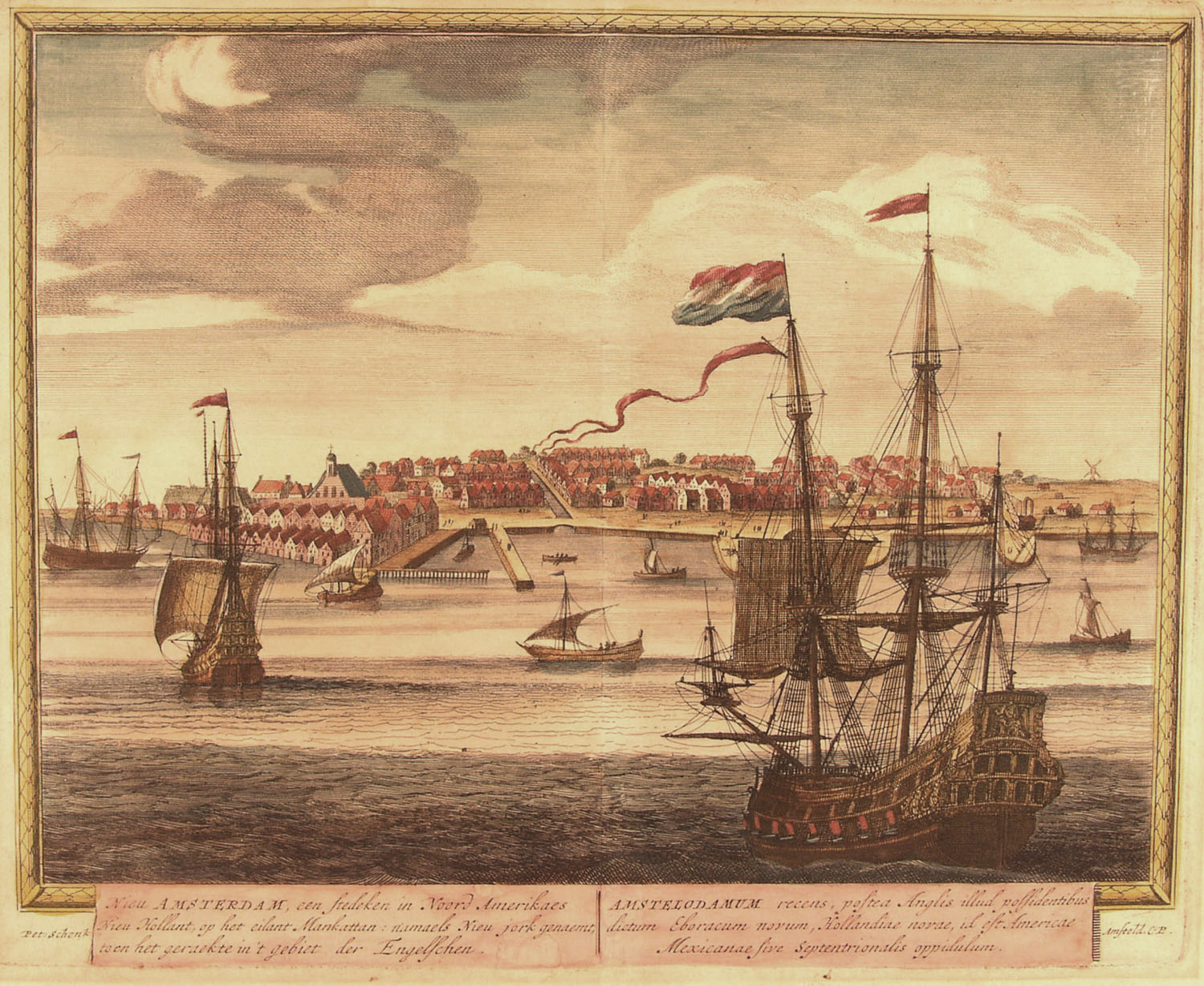
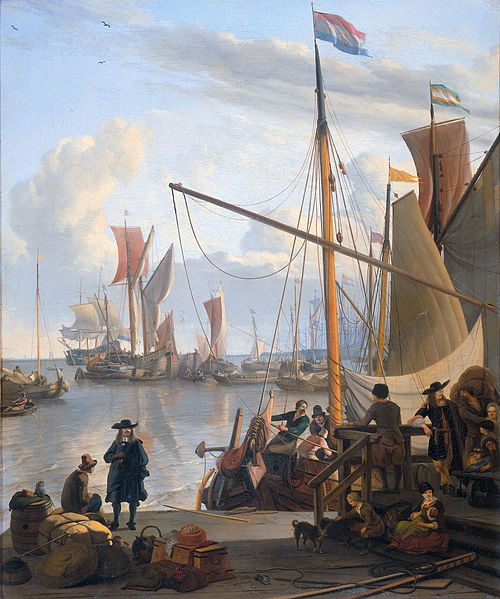

The rapid economic growth of cities in the Netherlands during the late Middle Ages attracted an enormous number of immigrants. As a result, ethnically diverse commercial interests dominated these cities and their overseas enterprises.
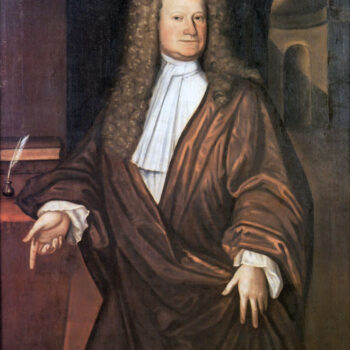
By the time Petrus Stuyvesant surrendered Fort Amsterdam in 1664, Dutch cultural traditions had already taken root—shaping life along the Hudson and Mohawk Rivers, western Long Island, and parts of New Jersey. These early Netherlandic influences helped lay the foundation for the region’s lasting identity and evolving American story.
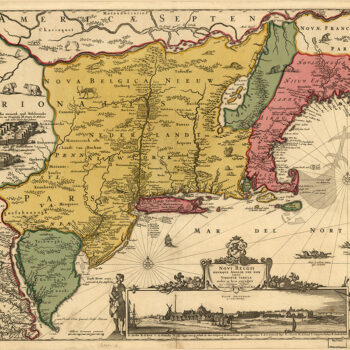
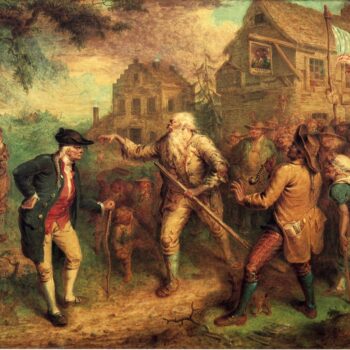
Although Dutch rule in North America ended in 1664, their cultural legacy persisted. Washington Irving observed its strong presence in 1820, and even decades later, travelers remarked on the striking similarities between New York and the Netherlands. Today, Dutch influence remains evident in regional place names, legal traditions, religion, food, and folklore—woven deeply into the fabric of American life.
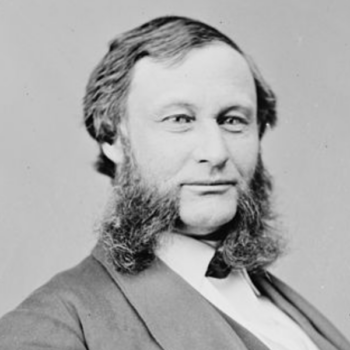
Daniel Myers Van Auken, a Pennsylvania lawyer and Democrat, served two terms in Congress from 1867 to 1871 representing Pike County.
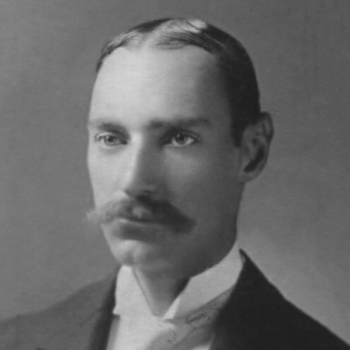
Colonel John Astor, Titanic victim and hotel magnate, co-founded New York’s Waldorf Astoria and died tragically during his 1912 honeymoon.
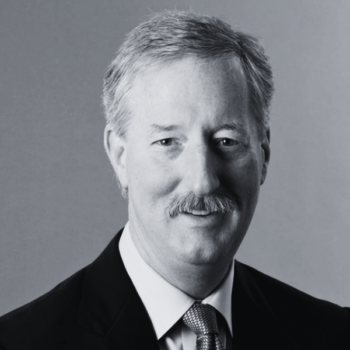
Steve Van Andel, son of Amway co-founder Jay Van Andel, helps lead the global network sales company distributing household and personal products.
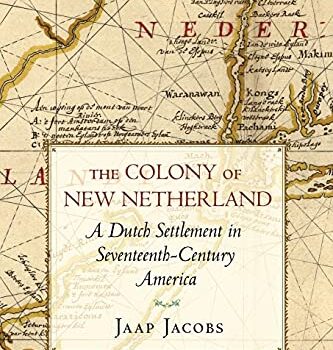
In The Colony of New Netherland, Jaap Jacobs chronicles Dutch exploration and settlement in the Hudson Valley, beginning with Henry Hudson’s 1609 voyage. Though Dutch control ended in 1674, their brief presence profoundly shaped the region’s history, trade, and cultural foundations.
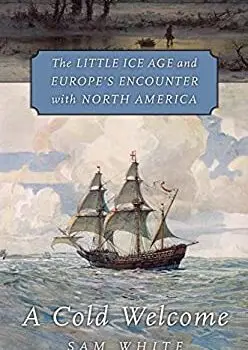
When Europeans first arrived in North America, they faced a cold new world. The average global temperature had dropped to lows unseen in millennia
CULTURAL AUTHORITY AND THE ANGLICIZATION MYTH IN EARLY NEW YORK - Historian Joyce Goodfriend joins Steve McErleane to discuss her career, the evolution of New Netherland studies, enduring Dutch cultural identity, and future directions in interpreting early New York history.
VAN DER KEMP'S NOTORIOUS ATTEMPT TO TRANSLATE THE RECORDS OF NEW NETHERLAND - Historian Peter Van Cleave joins Steve McErleane and Russell Shorto to discuss Van der Kemp’s early translations of New Netherland records, his legacy, and overlooked complexities of 19th-century scholarship.