

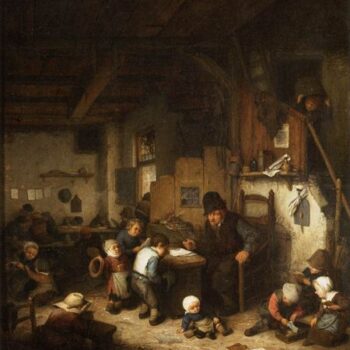
Most Dutch children--both rich and poor--attended school in New Netherland. Although most families paid a fee to the local schoolmaster, students whose parents could not afford this fee were admitted for free.
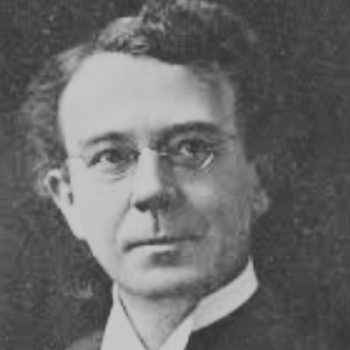
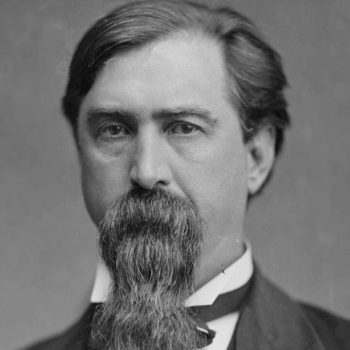
Foster M. Voorhees (1856–1927) was a Republican lawyer and politician who served as the 30th governor of New Jersey from 1899 to 1902 after earlier service in the New Jersey Senate.
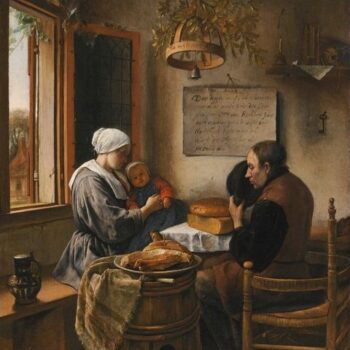
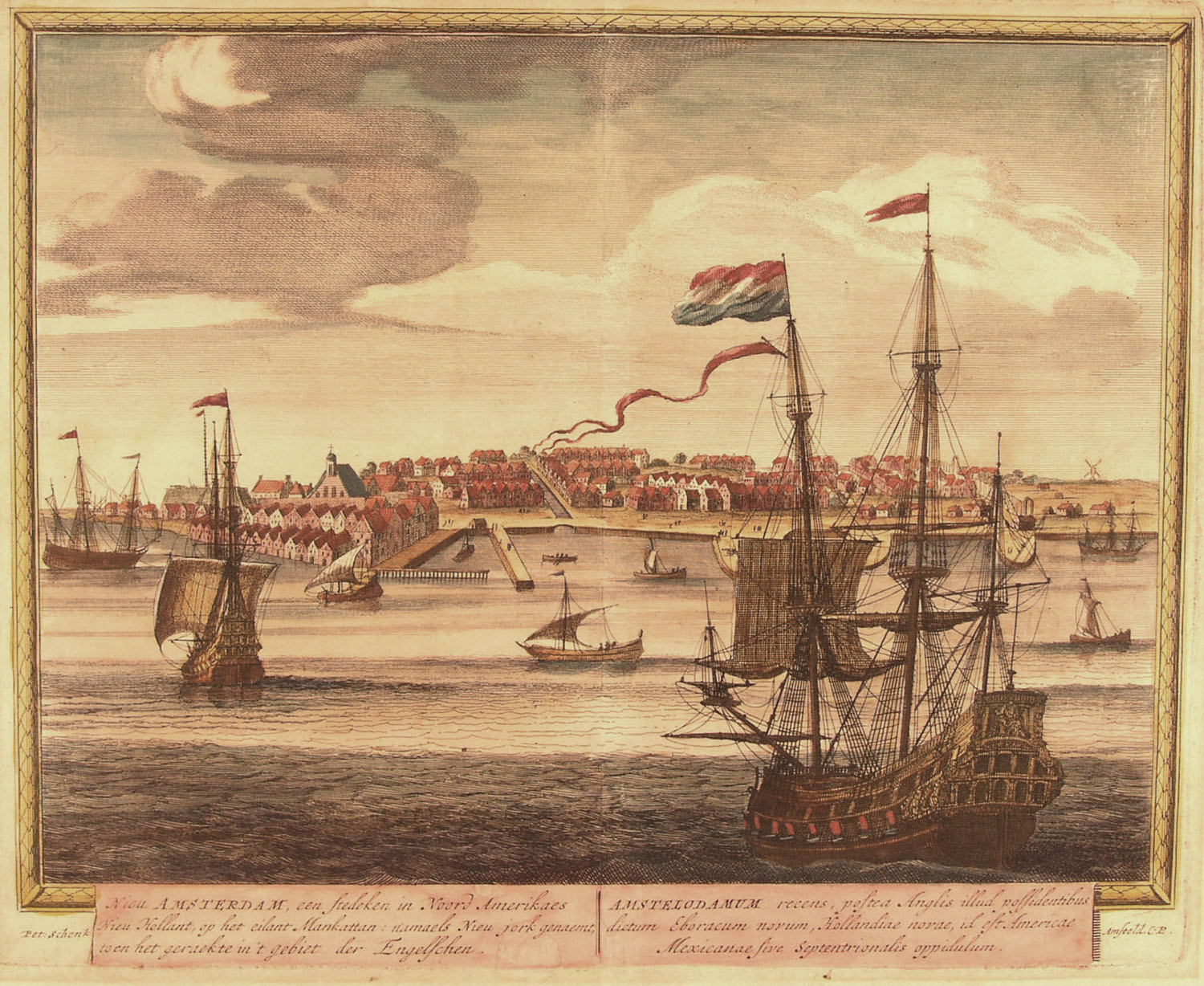
The first colonists lived in square pits, like cellars, that were covered with wood and bark. These simple shelters protected them from the elements until they could build basic cottages. Once New Netherland became more established, colonists built better wooden and later stone and brick houses.
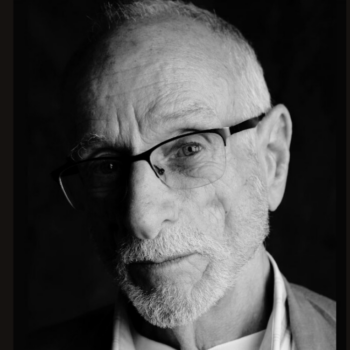
David William Voorhees (b. 1947) is an American historian and documentary editor whose scholarship on New Netherland and Dutch America includes leadership roles with the Jacob Leisler Institute and the Holland Society’s journal De Halve Maen.
The Charles W. Wendell Research Grant supports projects on the Dutch in North America or the Dutch Atlantic, offering $1,000–$5,000 for up to six months. Open to all researchers. Applications due February 15. Residency at NNRC encouraged.
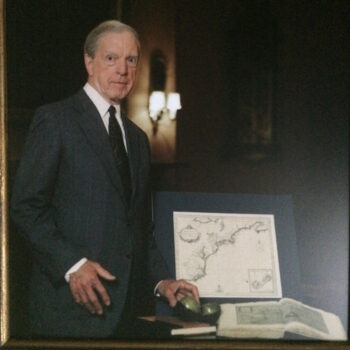
Daniel W. Voorhees (1827–1897) was an Indiana lawyer and Democratic statesman who served in both the U.S. House and Senate, representing Indiana in Congress for thirty-six years and becoming one of the state’s best-known nineteenth-century political figures.
History Research Stories Education TRANSLATIONS Research Dutch Records HISTORY Explore our Archives RESEARCH Resource Tools
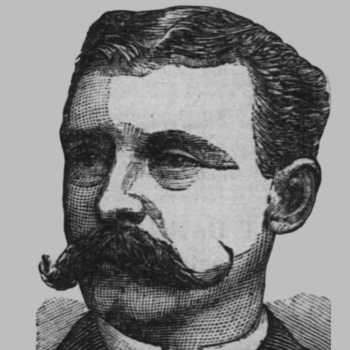
Charles Stewart Voorhees was an Indiana-born lawyer and Democratic politician who represented Washington Territory in the U.S. House of Representatives from 1885 to 1889 before returning to private legal practice.
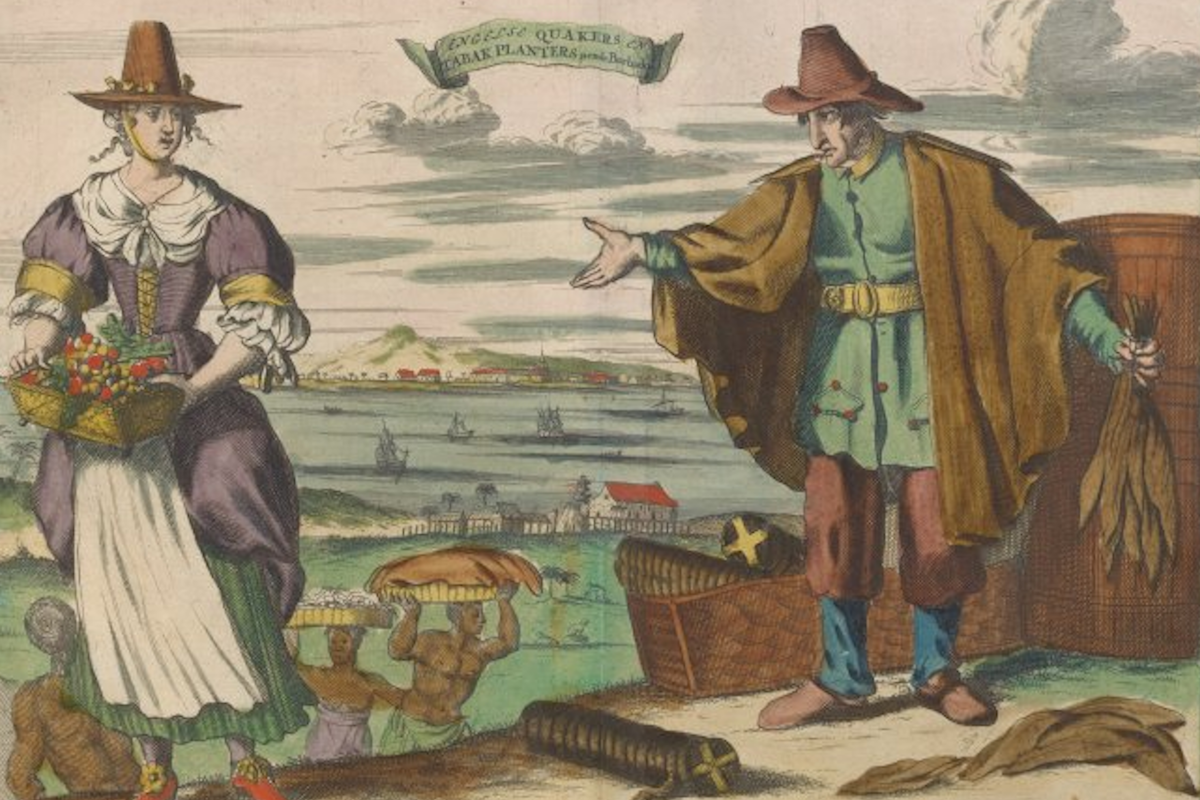
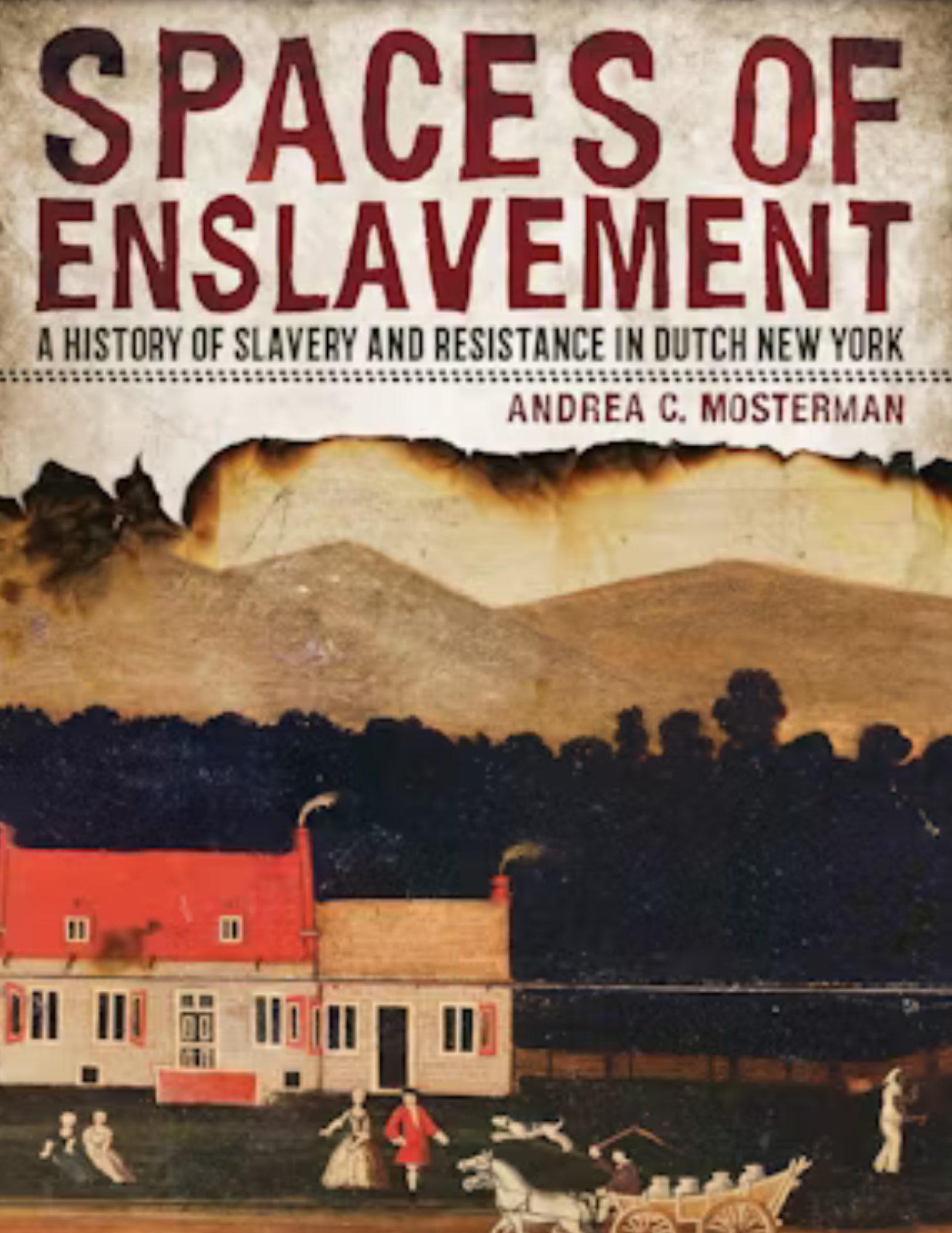
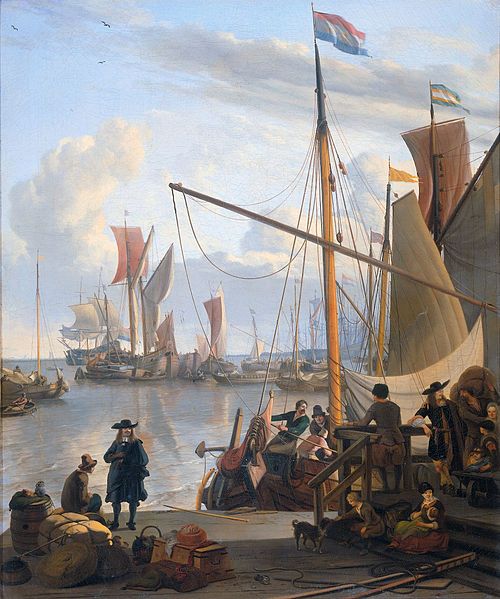
Settlers in New Netherland were a diverse group. Among them were Germans, Scandinavians, French, Scots, English, Irish, Jews, Italians, and Croats. Other residents of New Netherland were born in Africa and brought to the colony as slaves, some of whom were later freed.
John Monroe Van Vleck was an American astronomer and mathematician who taught at Wesleyan University for decades and began the Van Vleck academic dynasty that later included Nobel Prize–winning physicist John Hasbrouck Van Vleck.