
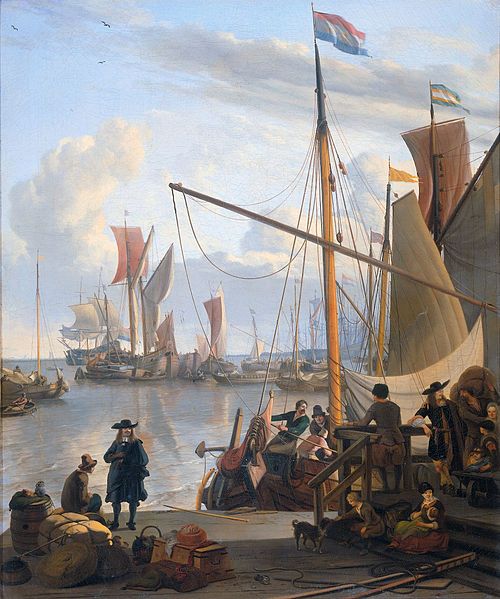

Jan Vigne was among the earliest Europeans born in New Netherland, likely in 1624. The son of Huguenot immigrants, he later became a brewer, landowner, and civic official in New Amsterdam.
Jacob Steendam was one of the first poets of Colonial America. Join Deborah Hamer as she talks to Dr. Danny Noorlander about Steendam's poetry, his experiences in Africa before he arrived in New Netherland, and how studying music, poetry, and sound can add to our knowledge of the Dutch Atlantic World.
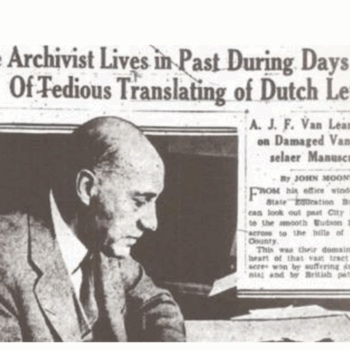
A.J.F. van Laer, though little known outside New Netherland scholarship, laid the foundation for modern study of the colony. His meticulous translations of 17th-century Dutch records remain essential, shaping the work that continues through today’s New Netherland Project.
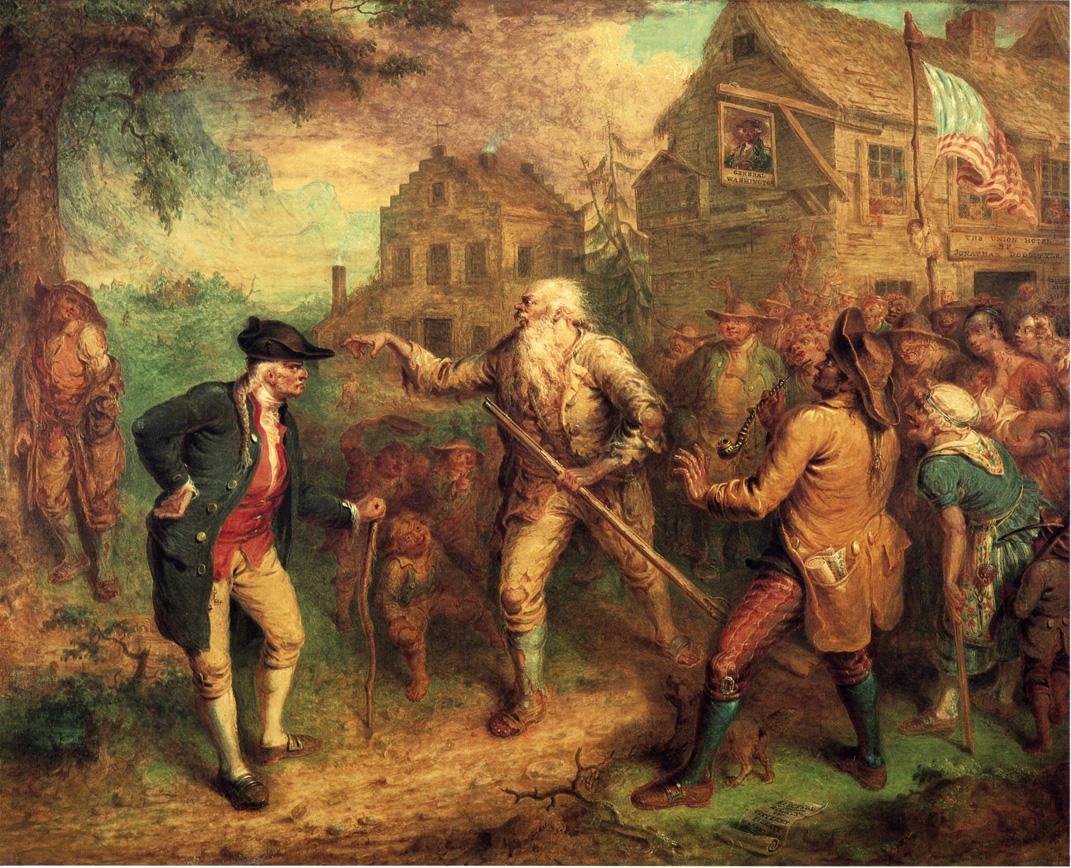
Few names are as synonymous with the Hudson Valley as Washington Irving, but few know that he grew up steeped in Dutch history. Join Russell Shorto as he speaks with Dr. Elisabeth Paling Funk about her new book The Dutch World of Washington Irving.
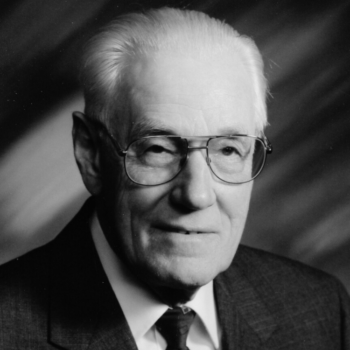
Gary Vermeer was an American entrepreneur who founded Vermeer Manufacturing in Pella, Iowa, in 1948. His innovations in agricultural machinery helped transform modern farming equipment and built a global manufacturing company.
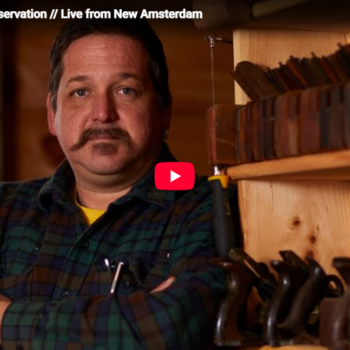
Ian Stewart, owner of New Netherland Timber Framing and Preservation, and Russell Shorto, director of the New Amsterdam Project, discuss Ian's 20+ year career working on historic buildings and heritage sites. From Dutch barns to 17th-century homes, discover how we are still preserving New Netherland's architecture all across the country—even in Texas!
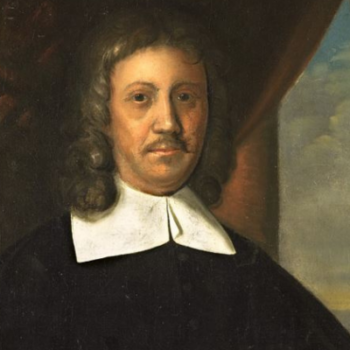
How Jan van Riebeeck’s 1652 landing at the Cape laid the foundation for Cape Town, shaping South Africa’s history, culture, and language.
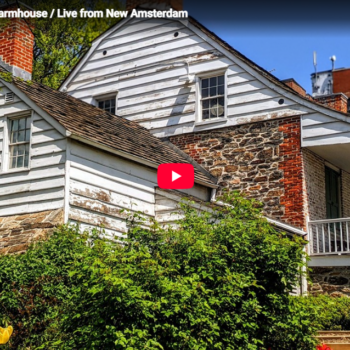
When the Dyckman Farmhouse was built in 1784, the area around it was farmland. Now, it sits at the bustling corner of Broadway and 204th Street in Inwood. Join Deborah Hamer as she talks to Melissa Kiewiet, the executive director of the Dyckman Farmhouse Museum Alliance about the history of the house, the new work being done to reveal more about the enslaved people who labored in the house, and how the house has become an important contemporary exhibition space.
Willem Verhulst was the second director of the Dutch colony of New Netherland, serving in 1625–1626. He oversaw early settlement efforts on Manhattan before being replaced by Peter Minuit.
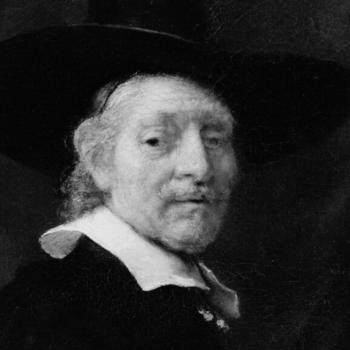
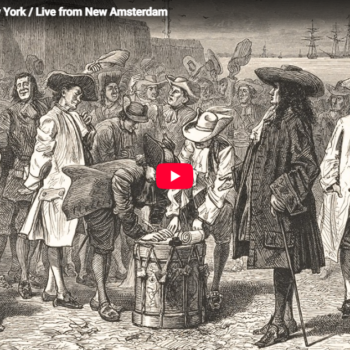
In 1689, New York merchant Jacob Leisler led a rebellion against King James in New Amsterdam. Leisler’s remarkable, ill-fated administration, from 1689 to 1691, is central to understanding New York’s pre-Revolutionary political, economic, and cultural life. Join Russell Shorto as he chats with David William Voorhees, director of the Jacob Leisler Institute for the Study of Early New York History, about the rebellion, and how developments from that era are still felt today.