


PDF – Volume 11, Correspondence, 1647-1653 translation (scanned book images) This collection of official correspondence records the first six years of Petrus Stuyvesant’s tenure as...
Frederick Theodore Frelinghuysen (1817–1885) was a New Jersey lawyer, U.S. Senator, and U.S. Secretary of State under President Chester A. Arthur. A member of the prominent Frelinghuysen political dynasty, he also served as New Jersey Attorney General.
PDF – Volume 8, Council Minutes, 1656-1658 (published book) Purchase the translation of Volume 8 (published book) from Syracuse University Press here
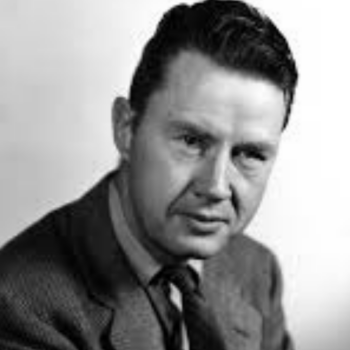
William K. Frankena (1908–1994) was a University of Michigan philosopher known internationally for his work in moral philosophy and the history of ethics. Author of the influential textbook Ethics (1963), he also served as president of the American Philosophical Association.
PDF – Volume VI: Council Minutes, 1655–1656 Purchase the translation of Volume 6 (published book) from Syracuse University Press here
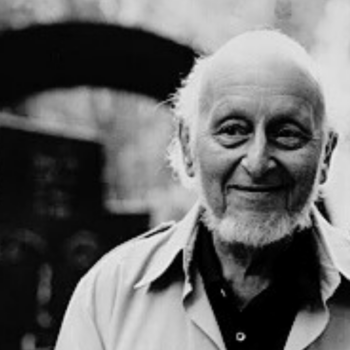
Frederick Franck (1909–2006) was a Dutch-American artist, dentist, and author known for blending art, spirituality, and humanitarian work. Founder of the Pacem in Terris sanctuary in Warwick, New York, he wrote over thirty books, including the widely read The Zen of Seeing.
PDF – Volume 5 – Council Minutes, 1652-1654 translation (scanned book images) The council minutes document civil and criminal cases, as well as executive and...

Rear Admiral Michael Franken, a University of Nebraska engineering graduate and ROTC cadet, built a distinguished U.S. Navy career commanding destroyers and task forces. In 2011 he became Commander of Combined Joint Task Force–Horn of Africa at Camp Lemonnier, Djibouti.
PDF – Volume 4, Council Minutes, 1638-1649 transcription PDF – Volume 4, Council Minutes, 1638-1649 translation (scanned book images) This volume of Council Minutes contains the earliest...
Charles Fort (1874–1932) was an American writer and researcher known for collecting unexplained phenomena that science often ignored. His influential books, including The Book of the Damned, blended satire and skepticism, giving rise to the term “Fortean” for anomalous events.