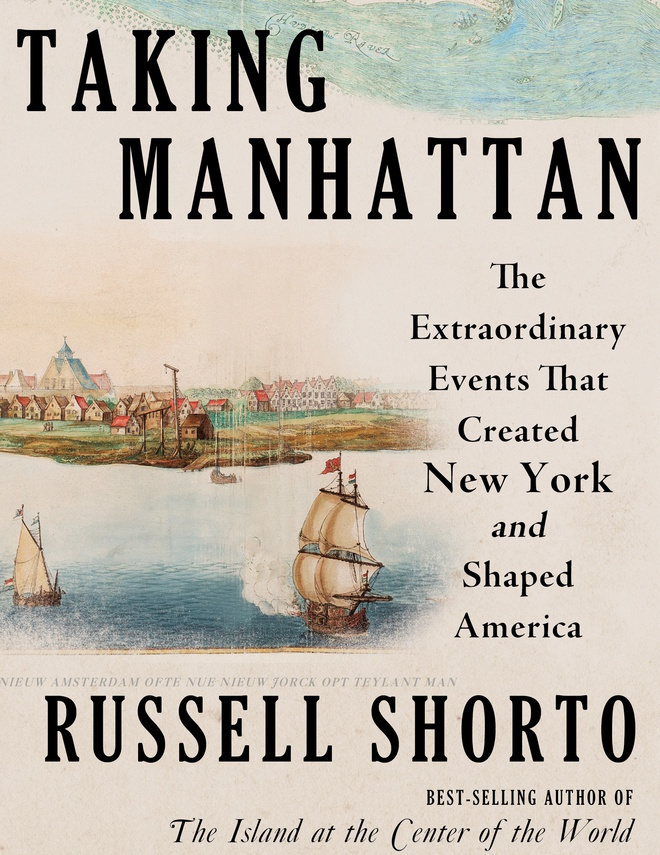
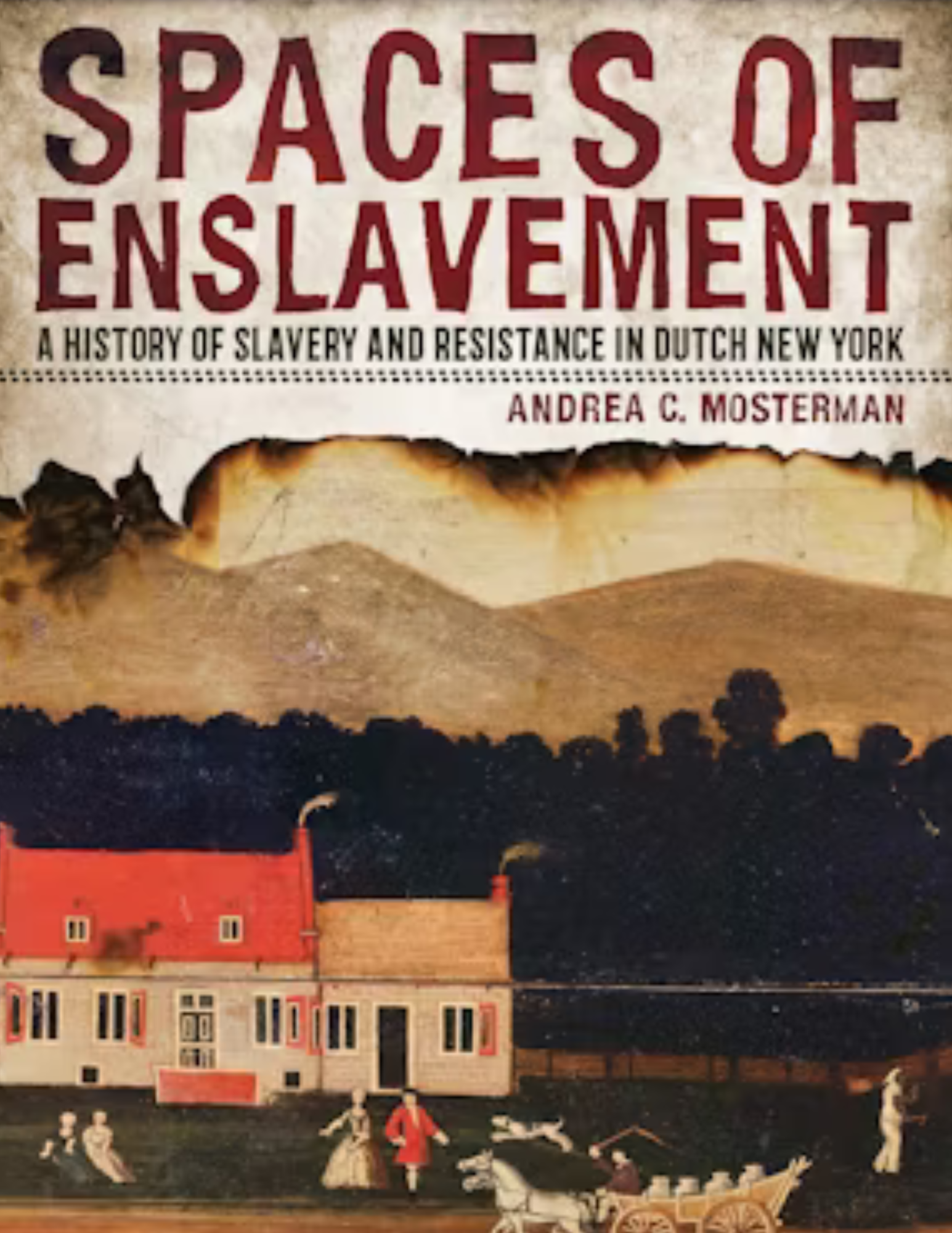
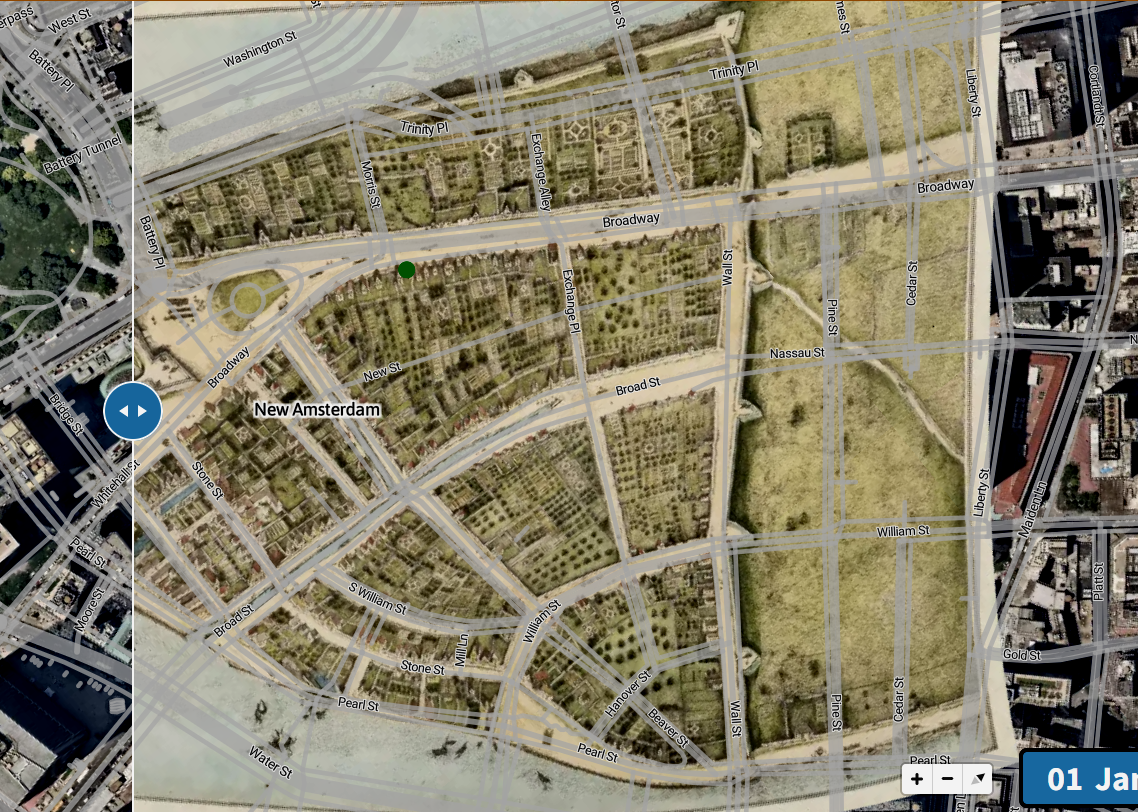
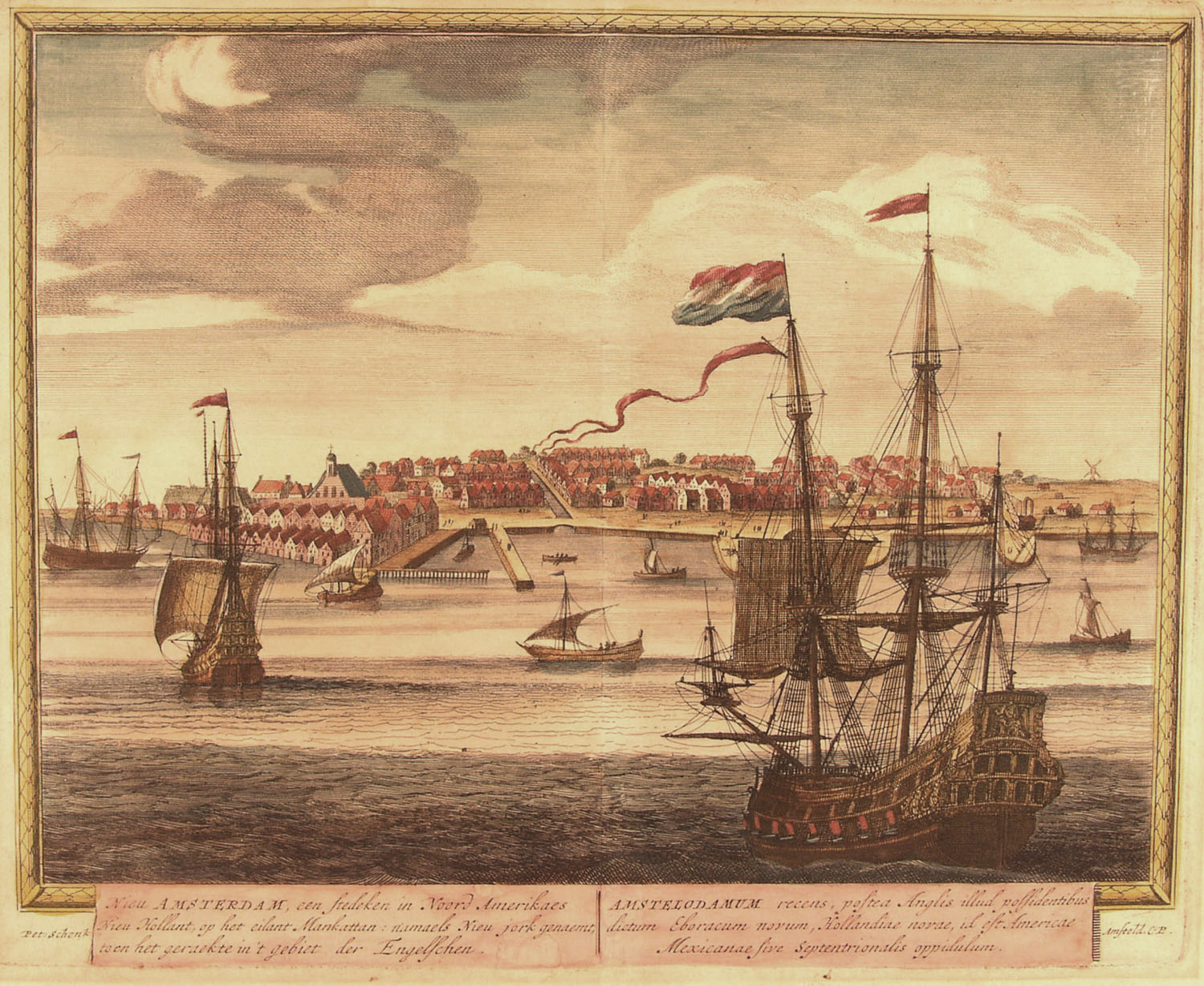
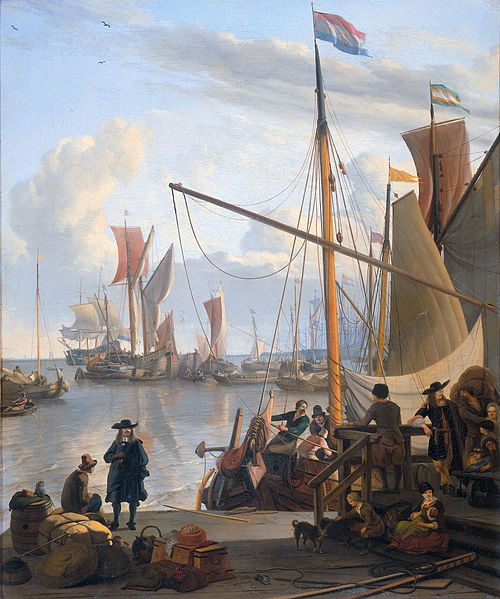

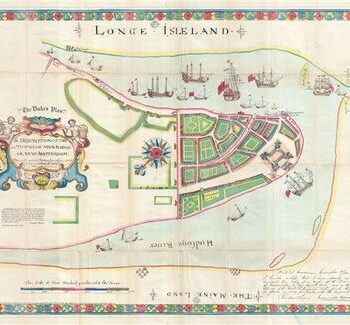
New Amsterdam, the Dutch capital on Manhattan’s southern tip, had just fifteen streets and under 1,000 residents. Yet its multicultural makeup—18 languages, many ethnicities—laid the foundation for New York City’s diversity.
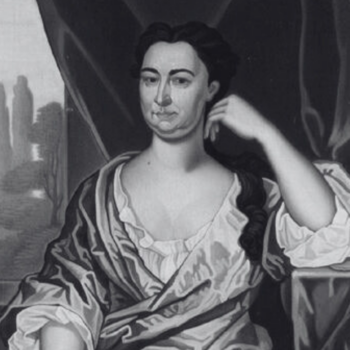
Maria Van Cortlandt Van Rensselaer (1645–1688) effectively governed the vast Rensselaerswyck estate after the death of her husband, Jeremias Van Rensselaer. For thirteen years she managed the patroonship’s farms, mills, finances, and tenants, preserving the estate for the Van Rensselaer family during a difficult period in colonial New York.
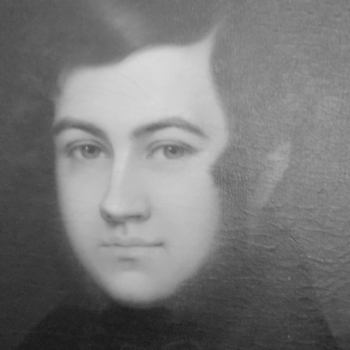
Henry Bell Van Rensselaer (1809–1864) was a U.S. congressman, farmer, and Union Army officer during the Civil War. A graduate of West Point and son of patroon Stephen Van Rensselaer III, he later served as a brigadier general and inspector general before his death in 1864.
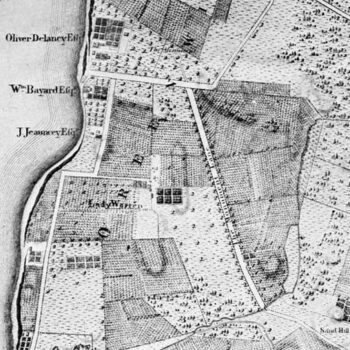
During the Dutch period, the area north of New Amsterdam was called Noortwyck. In the 1670s, Yellis Mandeville renamed it Greenwich, likely an Anglicization of the Dutch "Greenwijck," meaning Pine District.
Sarah Rapalje (1625–1685) was the first recorded European female child born in New Netherland. Born at Fort Orange (later Albany), she became the matriarch of a large colonial family, marrying twice and bearing fifteen children whose descendants spread widely throughout early New York society.

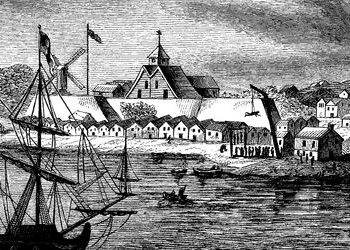
In the seventeenth century, forts were essential for trade and defense. Once Manhattan was chosen as New Netherland’s center, establishing a fort there was an obvious and necessary first step.
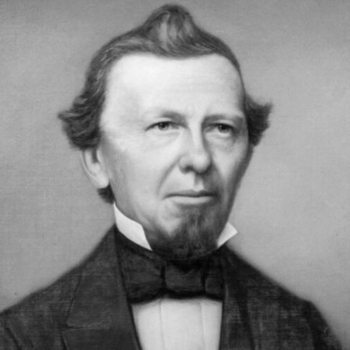
Albertus Christiaan Van Raalte (1811–1876) was a Dutch Reformed minister and immigrant leader who founded Holland, Michigan, and led nineteenth-century Dutch settlement in western Michigan.
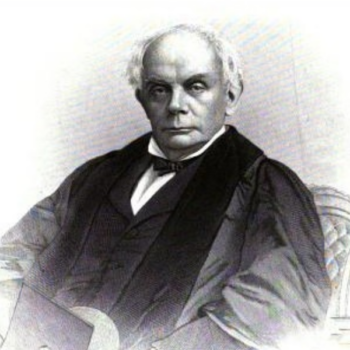
John Van Schaick Lansing Pruyn (1811–1877) was a New York lawyer, politician, and educator who served in the U.S. House of Representatives during the Civil War era and later became Chancellor of the University of the State of New York.