Now Reading:

Mystic

Font Selector
Sans Serif
Serif
Font Size
A
A
You can change the font size of the content.
Share Page

Exploring Dutch Heritage Through Research 

Exploring Dutch Heritage Through Research 

Mystic

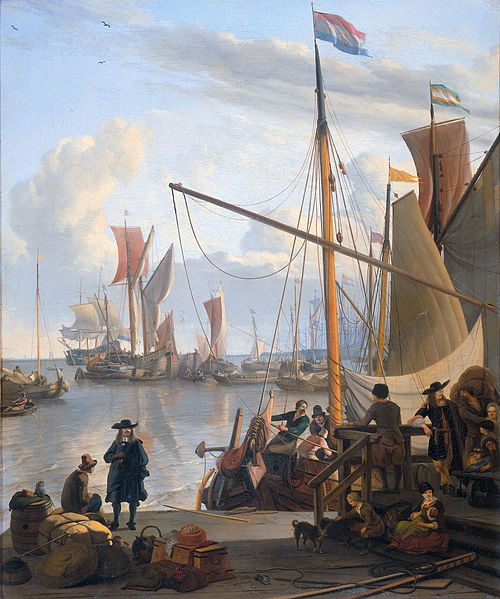
The site of Mason’s massacre of Pequots in 1637
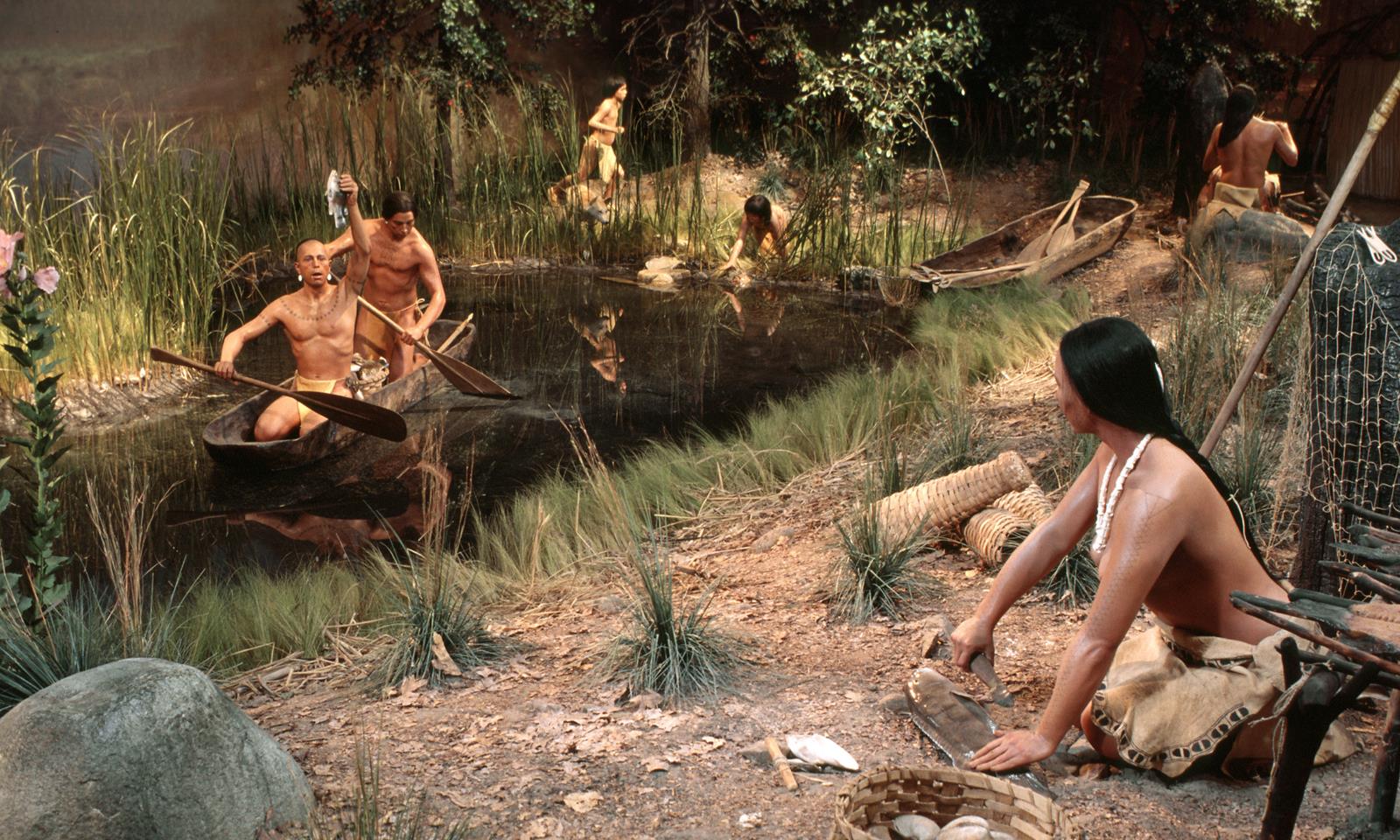
Pequot village diorama, from the Mashantucket Peqout Museum.

Source:
The tribe-owned Mashantucket Pequot Museum and Research Center is a working museum dedicated to Pequot history, featuring life-sized villages and forts. It is the largest American Indian museum in the world.

The pleasant town of Mystic, Connecticut, has a well of darkness in its past. It was here, in 1637, that one of the ugliest massacres of Indians by European settlers took place. The Pequot tribe, whose territory lay east of the Fresh River, were makers of sewan, or wampum, which tribes farther north and west valued highly. Recognizing this, the Dutch worked out an arrangement with the Pequots in which they would trade European goods for wampum, and then trade wampum with other Indians, particularly the Mohawks, for furs. This continued for several years, until the English arrived and decided they wanted a piece of the action. As tensions increased, a series of murders ensued: Indians killing Indians, Dutch killing Indians, Indians killing Englishmen. The horrific climax came on May 26, 1637, when a contingent of Englishmen under Captain John Mason attacked the Pequot village, burning it to the ground, and killing as many as 700 Indians.

Visit Mystic Seaport online.

Tags:
About New Netherland Institute

For over three decades, NNI has helped cast light on America's Dutch roots. In 2010, it partnered with the New York State Office of Cultural Education to establish the New Netherland Research Center, with matching funds from the State of the Netherlands. NNI is registered as a 501(c)(3) non-profit organization. Contributions are tax-deductible to the extent permitted by law.