
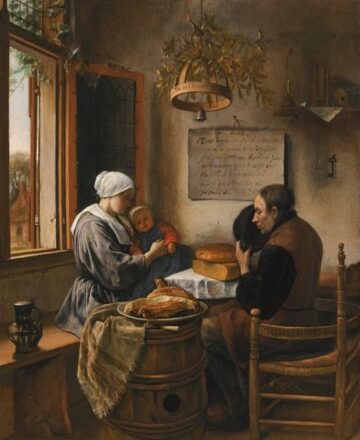
What Was New Netherland?
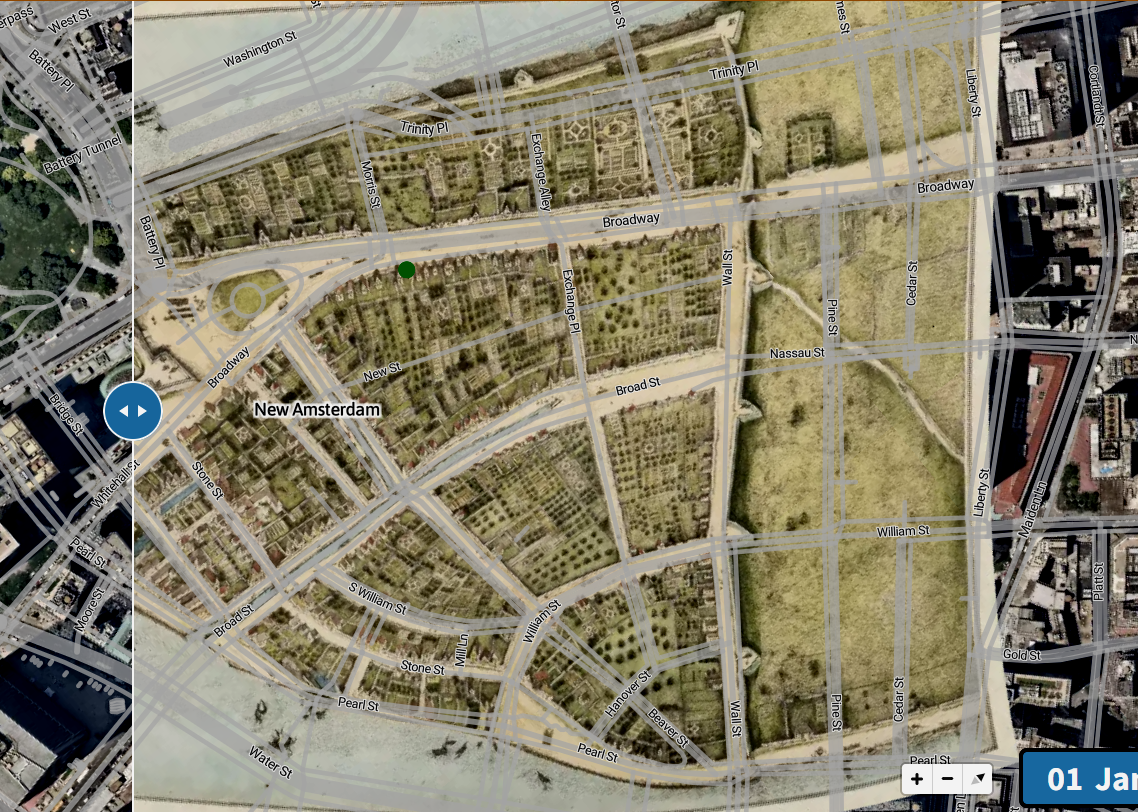
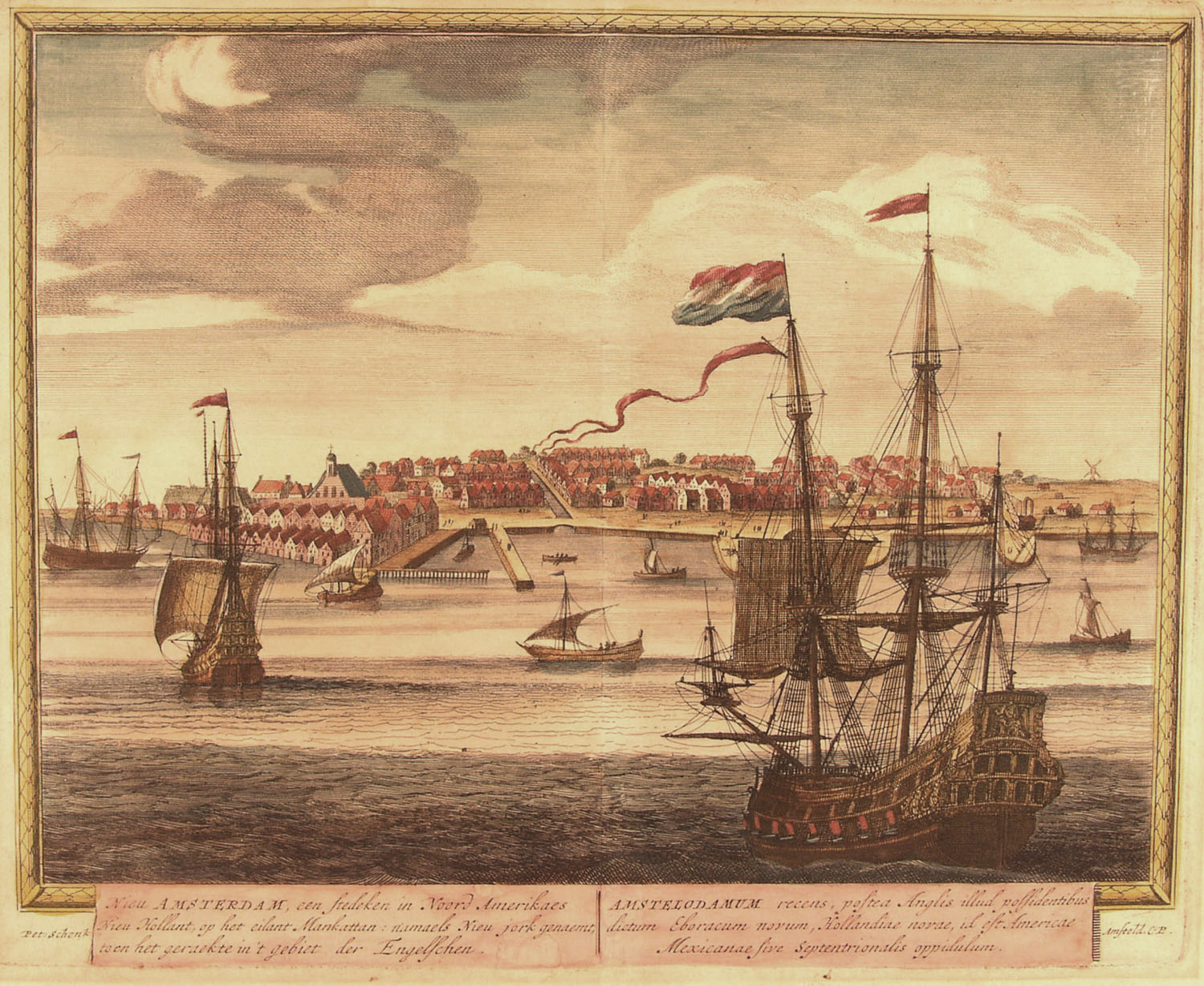
Travel back in time to the early 1600s and see what life in New Netherland was like—where European settlers lived, what food they ate, what games their children played—in this introduction to the people and places of Dutch North America by Lana Holden.
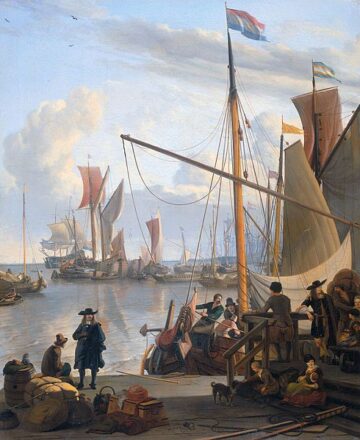
Teunis in the Dutch Republic
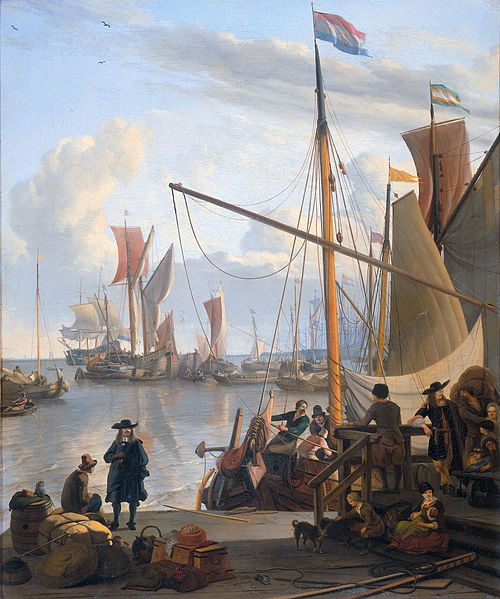
Teunis is a 14-year-old Dutch boy who is learning to become a blacksmith but longs to go to sea. Although it is a work of fiction, this story by Janny Venema is based on historical facts.
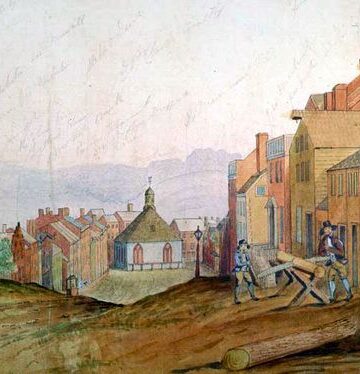
Going Dutch: A Visit to New Netherland
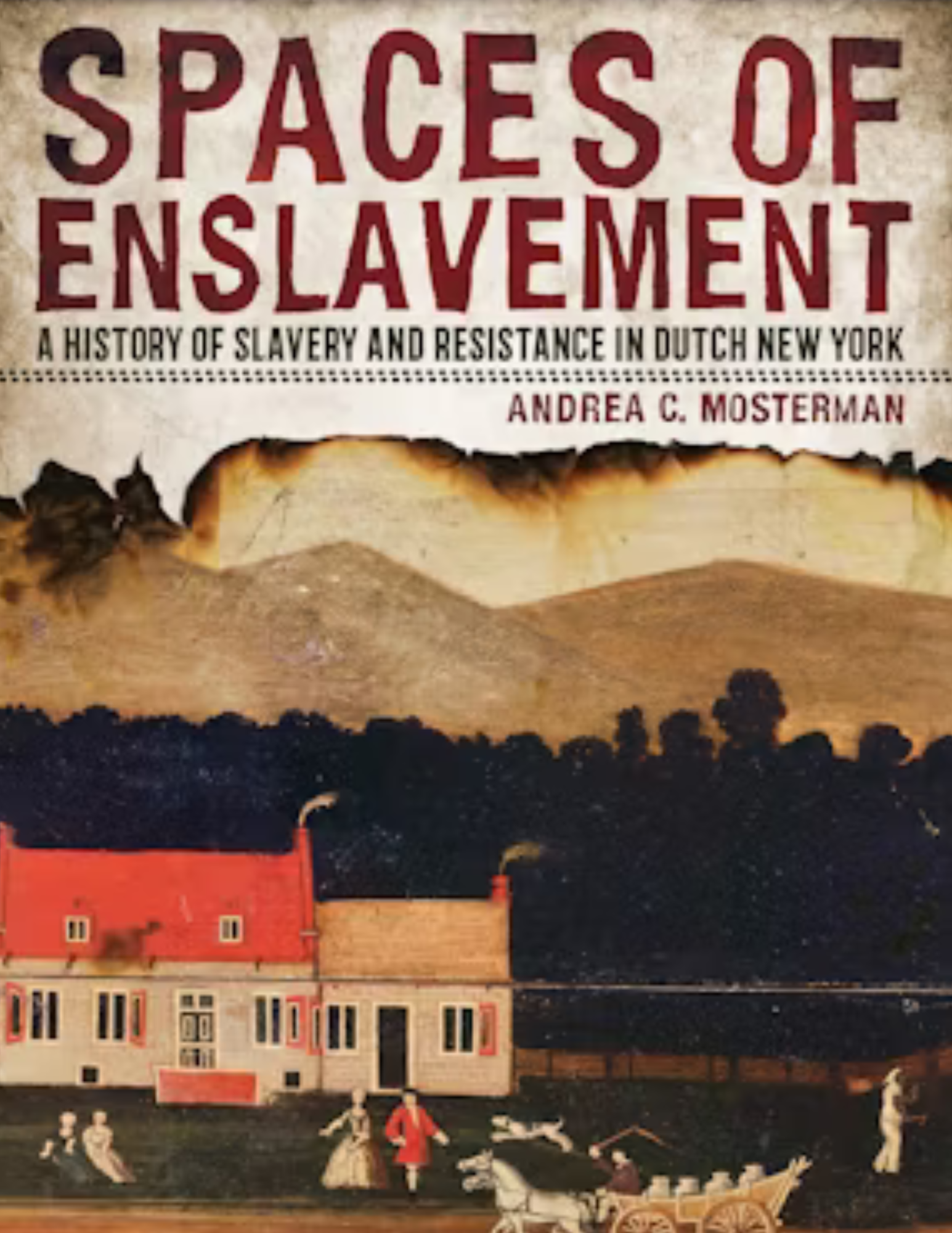
IA curated selection of online resources to support further exploration of New Netherland and its wider Atlantic world. These materials provide broader context and opportunities for continued learning and engagement.
Reading Lists: Resources
Curated Resources
A curated selection of online resources to support further exploration of New Netherland and its wider Atlantic world. These materials provide broader context and opportunities for continued learning and engagement.
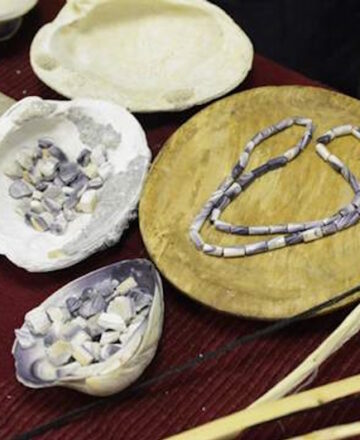
Wampum making with Arthur Kirmss
Known as wampum or sewant, these tubular shell beads came to serve as a medium of exchange among Europeans and Indians in colonial North America. Rather than silver coins, the Dutch typically used wampum to purchase not only beaver pelts from Indians but also real property and goods from other settlers. To learn more about wampum and see how it was made, watch this video by Arthur Kirmss.