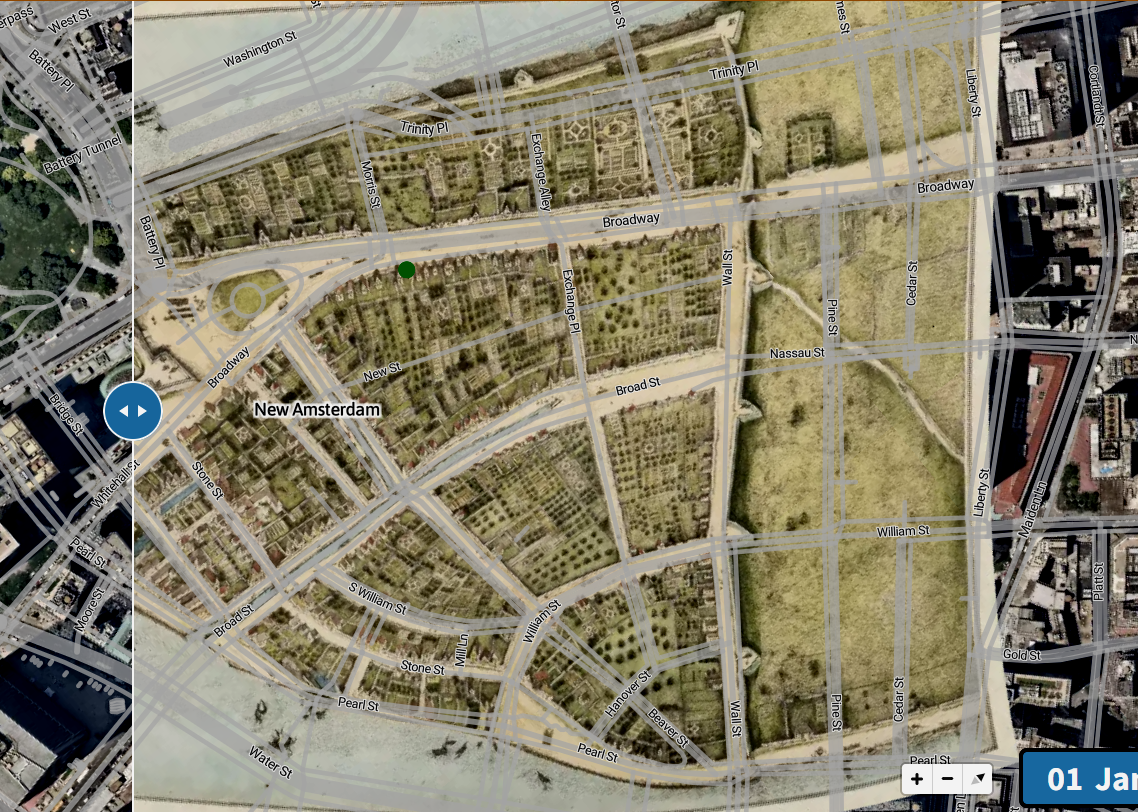
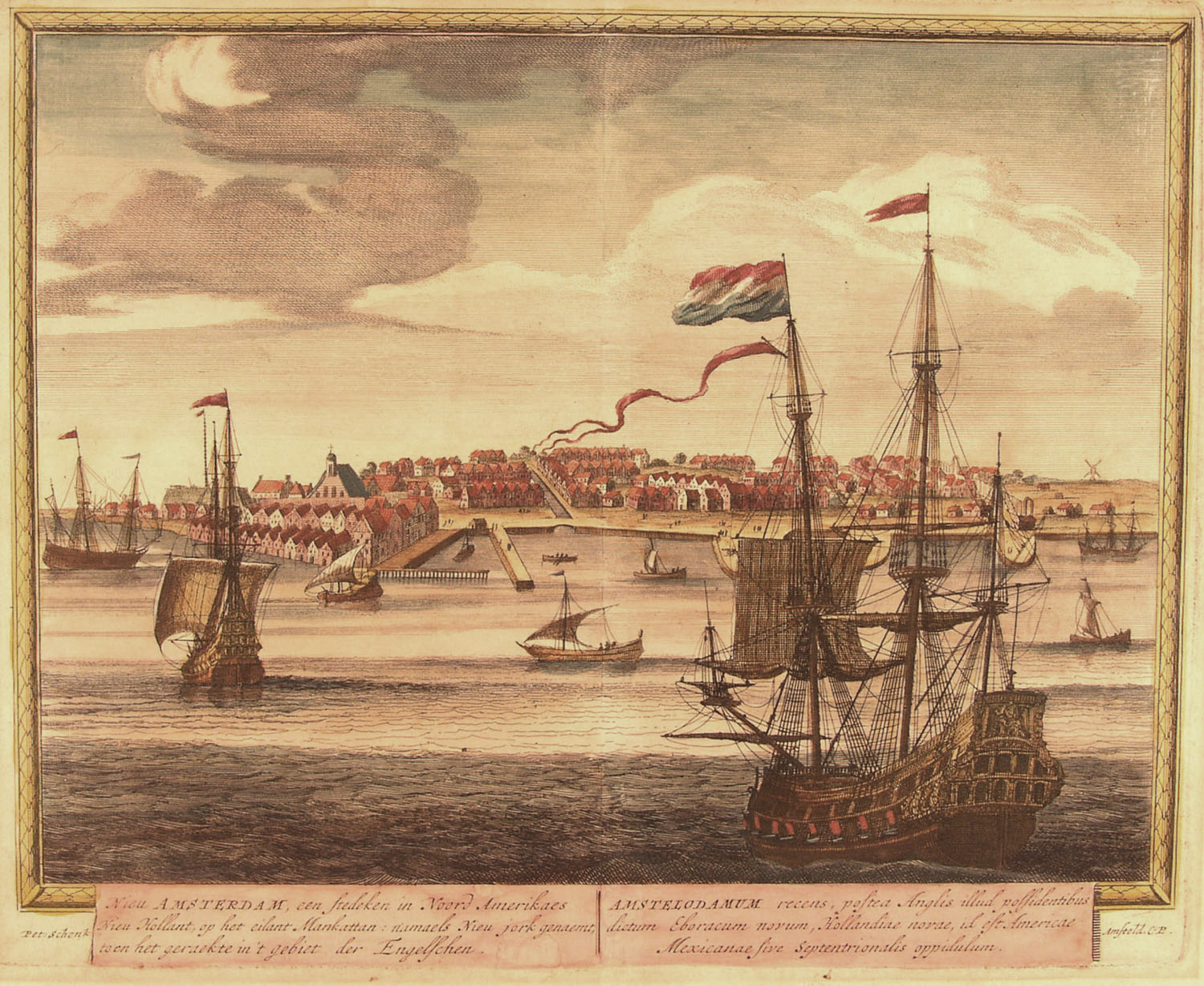
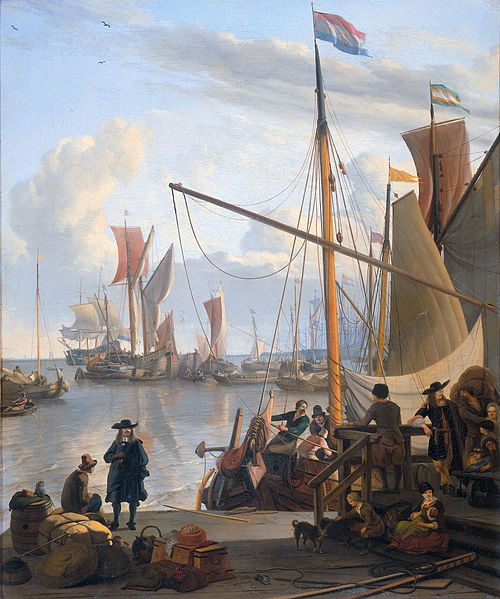
Translations & Transitions Govert Loockermans, a Manhattan Merchant’s Correspondence & Papers More → |
Voyages Maritime routes that shaped the Dutch North Atlantic world More → |
Zotero Bibliography Research Source: 17th century scholarly, non-fiction publications More → |
Genealogical Research What’s in a Name? Discover your ancestors’ origins More → |
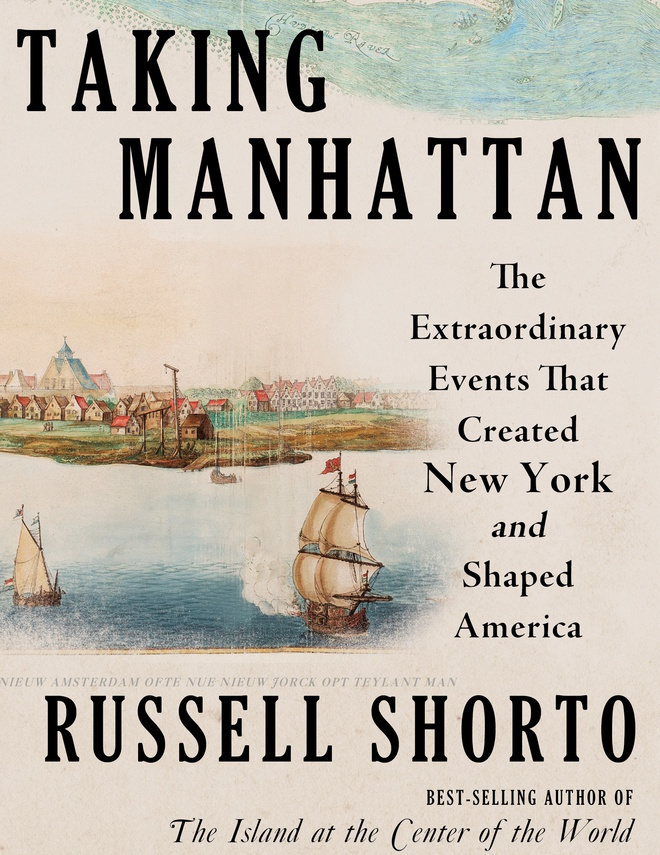
Translations & Transitions Govert Loockermans, a Manhattan Merchant’s Correspondence & Papers More → |
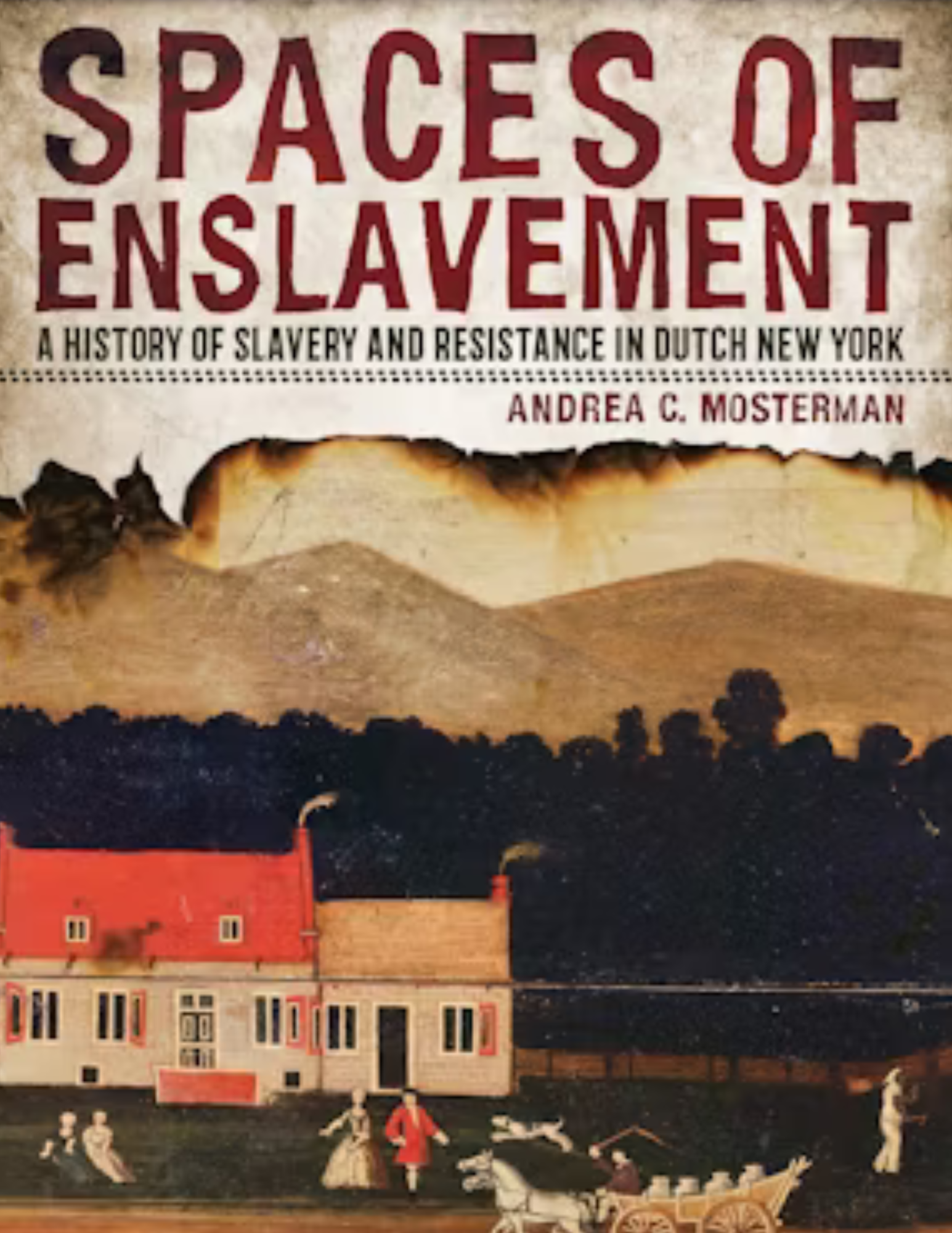
Voyages Maritime routes that shaped the Dutch North Atlantic world More → |
Zotero Bibliography Research Source: 17th century scholarly, non-fiction publications More → |
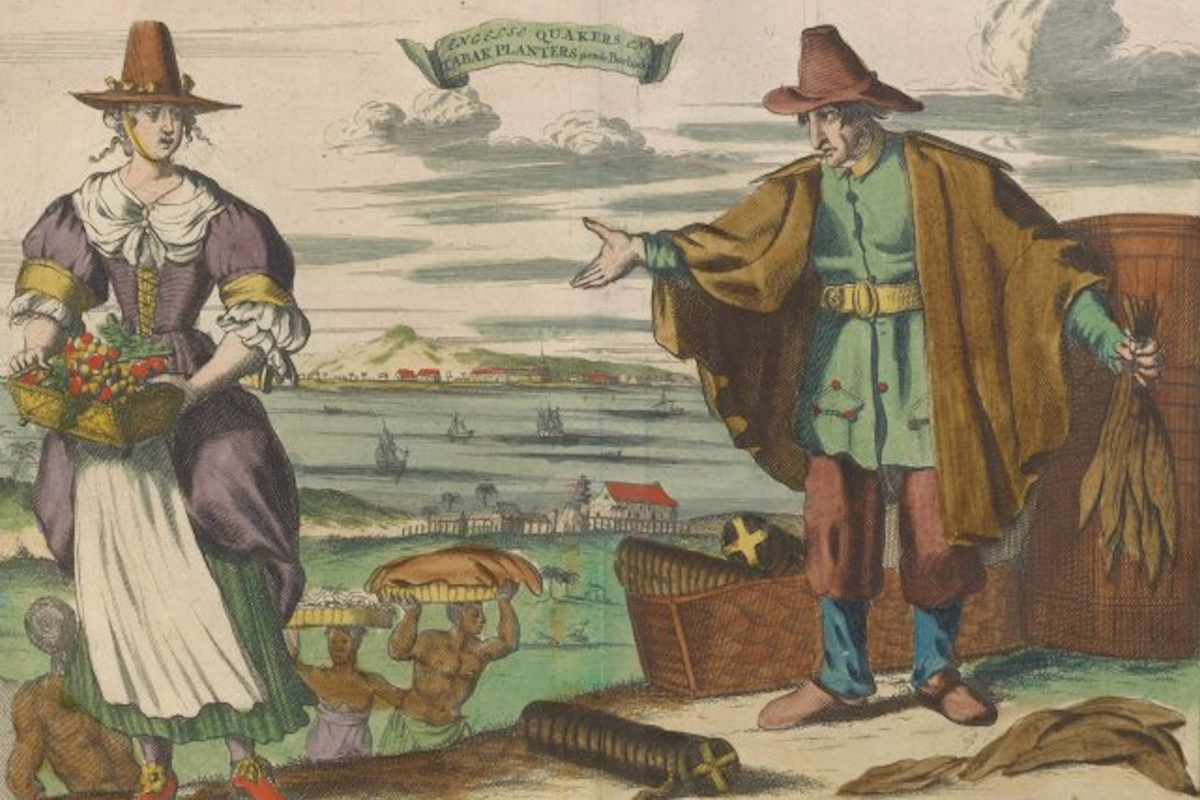
Genealogical Research What’s in a Name? Discover your ancestors’ origins More → |
“Conversing with Each Other, Among Other Things of the Sale of Houses”: Buying and Selling Real Property in New Amsterdam
Adriana E. van Zwieten, Ph.D.
As I did in New York City last October, I want to thank the Hendricks Manuscript Award Committee for selecting my dissertation for the 2001 award. I would also like to express my sincere appreciation to Dr. Andrew Hendricks for establishing this prize to advance the study of New Netherland history.
It is an honor to have this opportunity to share some of my research, which explores the institution of real property in seventeenth-century New Amsterdam. About a year ago, when I defended my dissertation at Temple University, one of the examining committee members was in the midst of buying a house near Philadelphia. She remarked on the similarities between her modern real estate transaction and the much older conveyances found in my research. The committee agreed that many procedures used to transfer property in the Dutch colony bore striking resemblance to modern practices.
Sitting there that day, discussing real estate in New Amsterdam, I was reminded of a 1663 court case involving Andries Jochemsen, who had been accused of unlawful tapping—or serving liquor—when, in fact, he and his friends had merely “sat together conversing with each other, among other things of the sale of houses.” Unfortunately, the details of their conversation were not recorded, but today I would like to share with you a discussion of the Dutch traditions of land ownership and transfer that helped shape the institution of real property in New Netherland.
“Property,” wrote the Dutch jurist Hugo Grotius, “means that something is called ours.” In this deceptively simple definition, he included immovable property—houses, land, and all things “attached to the earth or fixed to houses.” Ownership, according to Grotius, was acquired by the consent of the former owner, either as a gift or inheritance, or more commonly, by a direct contract of sale or exchange.
It is this latter form—transfer by sale or exchange—that I will focus on today.
Read more of the article here
WHAT WAS NEW NETHERLAND?
We use cookies to enhance your experience on our site. By continuing, you agree to our use of cookies. See our privacy policy page for the details.
Welcome! You can explore everything you're looking for in the NNI library. Simply type a keyword into the search bar and press Enter to begin your search.
Sign in to access exclusive features and keep track of your favorite content on NNI!
New membership are not allowed.
For over three decades, NNI has helped cast light on America's Dutch roots. In 2010, it partnered with the New York State Office of Cultural Education to establish the New Netherland Research Center, with matching funds from the State of the Netherlands. NNI is registered as a 501(c)(3) non-profit organization. Contributions are tax-deductible to the extent permitted by law.