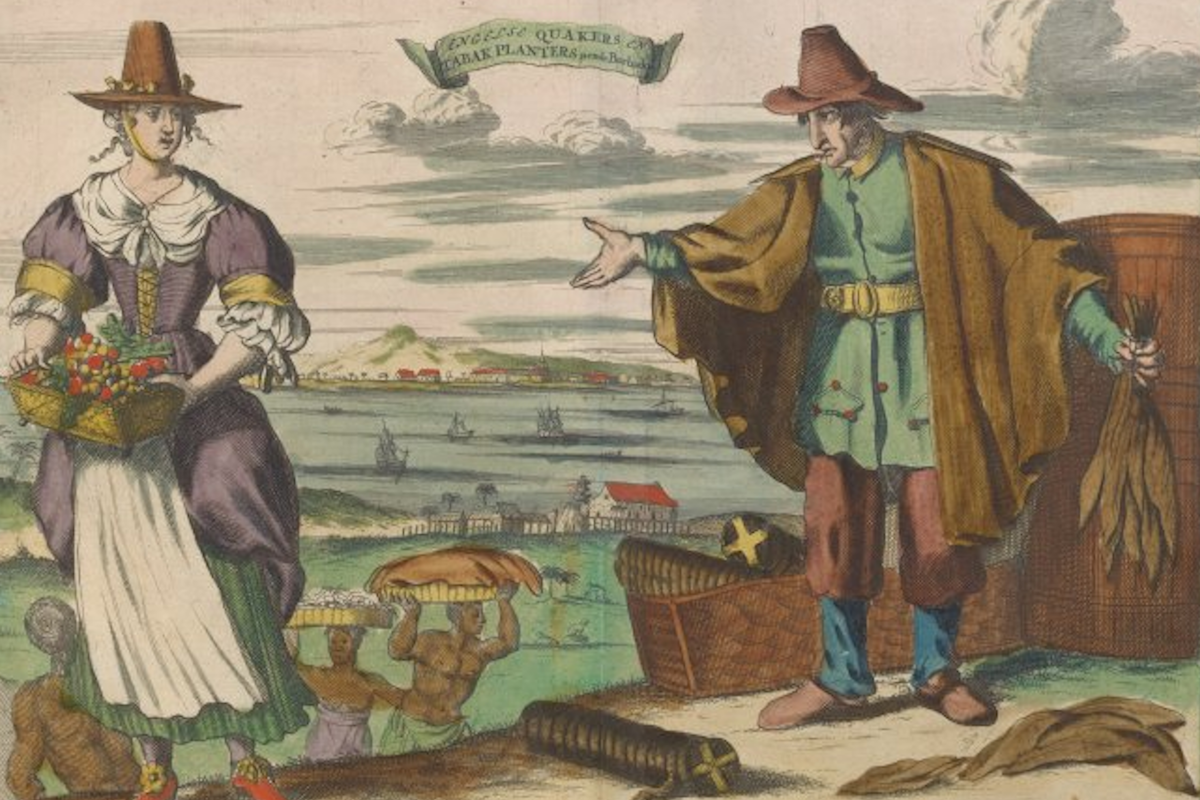

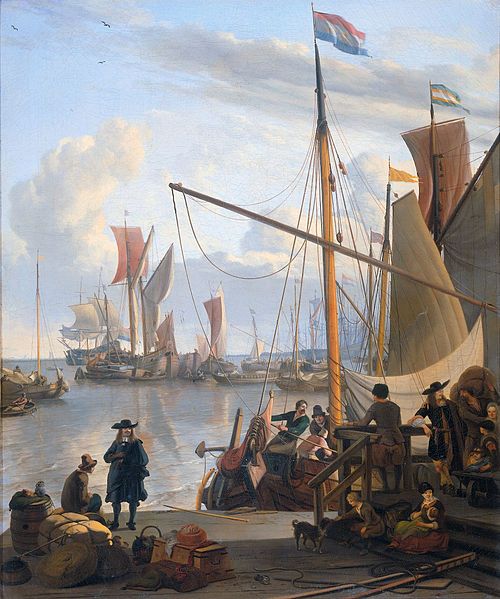

After journalist Debra Bruno discovered that her Dutch ancestors were enslavers, she contacted the descendants of the people her family enslaved. Would connecting with the descendants bring anyone healing? She described the details of her journey for the Washington Post Magazine in 2020. Bruno joins writer Russell Shorto to talk about her archival research and record finding, what it meant to publish her family history, and how she’s turning it all into a book.

Dutch Albany in History & Art, a joint conference with the Albany Institute of History & Art and the New York State Museum, was held on Saturday September 21, 2024.
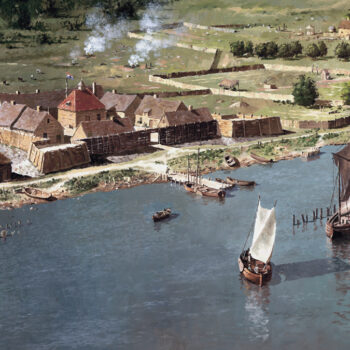

What did people in New Amsterdam eat? Africans, Native Americans, and a range of Europeans relied on many of the same ingredients but used them in different ways. Watch this conversation with culinary historian Lavada Nahon and writer Russell Shorto about the history of these foodways in New Amsterdam and the legacies they left behind.
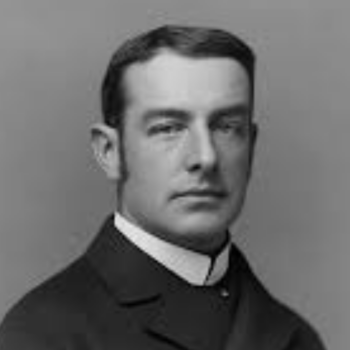
Cornelius Vanderbilt II was an American railroad executive and heir to the Vanderbilt fortune. As president of the New York Central Railroad, he managed the family empire and supported major philanthropic institutions before his death in 1899.
The Dutch West India Company established colonies in these distant and distinct regions, yet their plans for them were surprisingly similar. Melissa Morris and Deborah Hamer will discuss how Dutch colonialism in the Guianas shaped expectations, attitudes, and activities in New Netherland

Marked by periods of regional cooling in the North Atlantic extending from the 16th to 18th centuries, the Little Ice Age presented challenges to Dutch colonists living in New Netherland. Research shows weather during the Little Ice Age was irregular with sometimes harsh winters, dry growing seasons, floods, and failed harvests. But there were also many years without a noteworthy climate event.

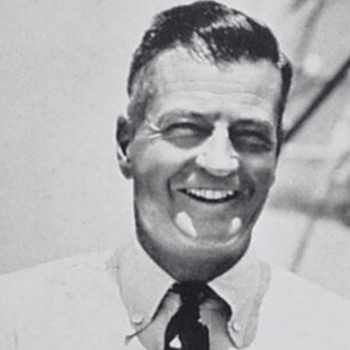
Harold Stirling Vanderbilt was an American businessman and yachtsman who twice won the America’s Cup and created the Vanderbilt Trophy in contract bridge, while also serving as a director of the New York Central Railroad.
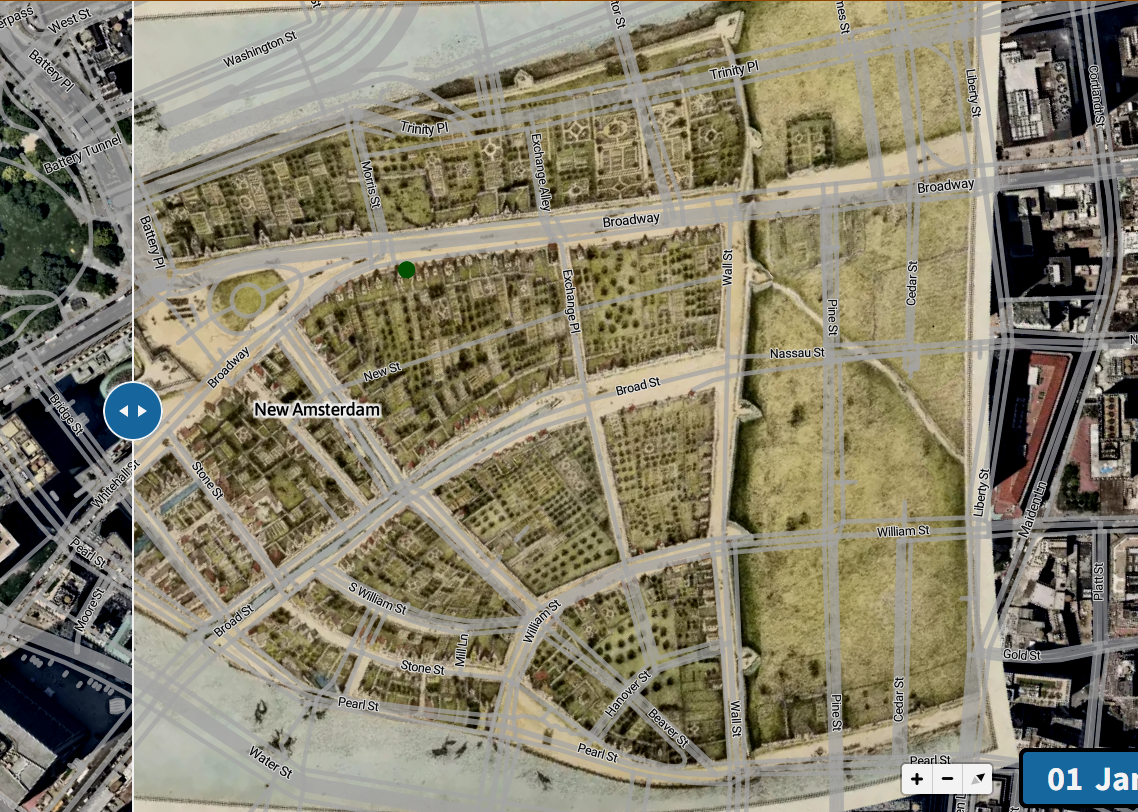
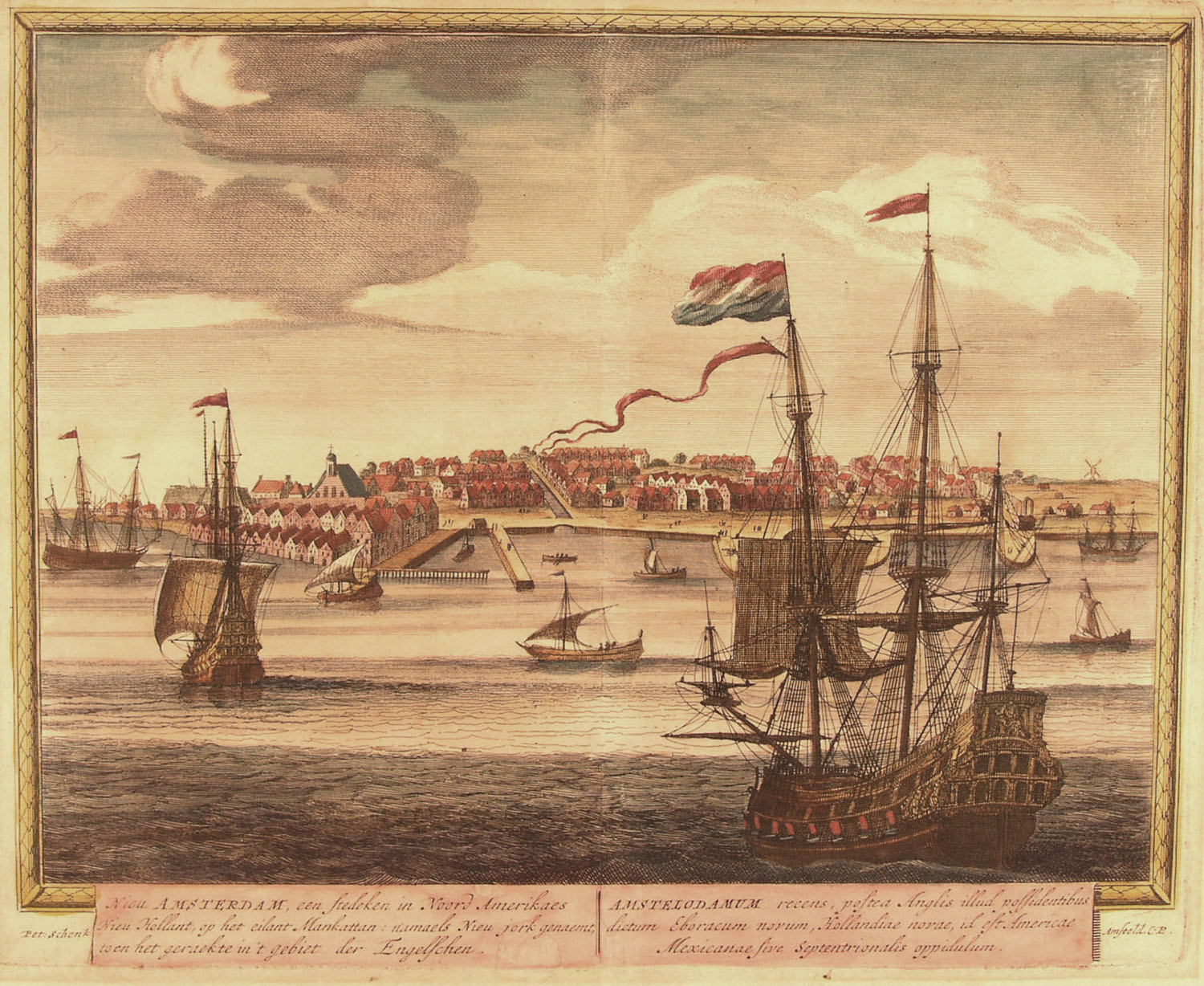
When the Dutch founded the city of New Amsterdam, at the tip of Manhattan Island, they brought three elements that would shape the city of New York: tolerance, trade, and water management. Four hundred years later, these issues are confounding the modern world.
Dutch Albany in History & Art, a joint conference with the Albany Institute of History & Art and the New York State Museum, was held...
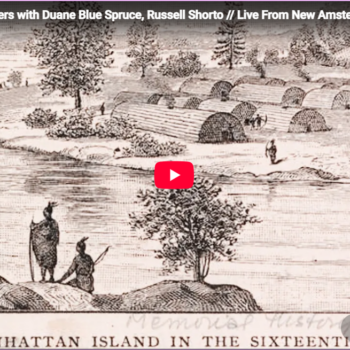
Watch this conversation about the experiences of the Native American peoples who, in the 17th century, lived in the area that would become New York City. For centuries before European colonists landed in North America, Native Americans farmed, fished, and hunted on Mannahatta and traded with other people along the waterways.