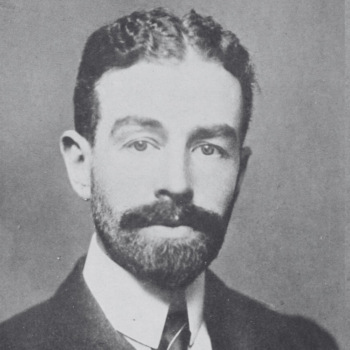

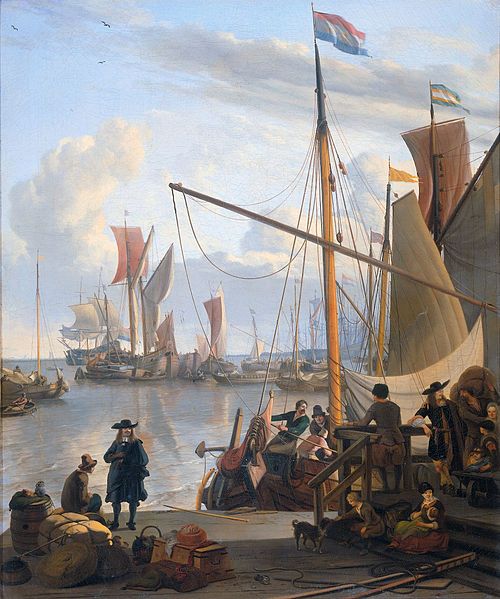

William Kissam Vanderbilt was an American heir to the Vanderbilt railroad fortune who briefly oversaw the New York Central Railroad and became known for his involvement in horse racing, yachting, and international society life.
Christian Koot, author of "A Biography of a Map in Motion: Augustine Herman’s Chesapeake "(2017), and Deborah Hamer discuss how maps were made, what was distinct about the Dutch tradition of mapping, and how maps were much more than neutral depictions of borders and terrain.
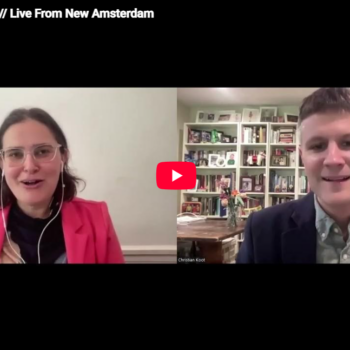
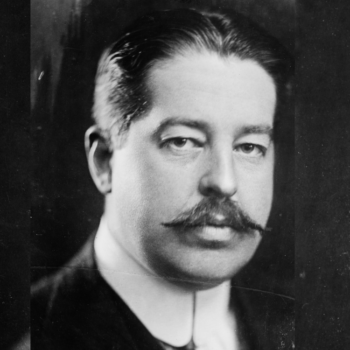
Reginald Claypoole Vanderbilt was an American heir of the Vanderbilt railroad fortune, known for his involvement in equestrian pursuits and as the father of Gloria Vanderbilt and grandfather of journalist Anderson Cooper.
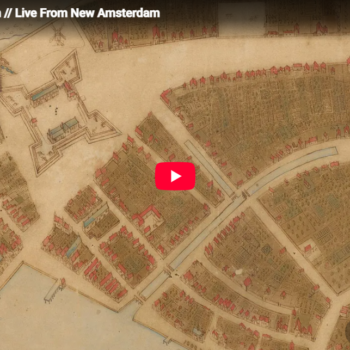
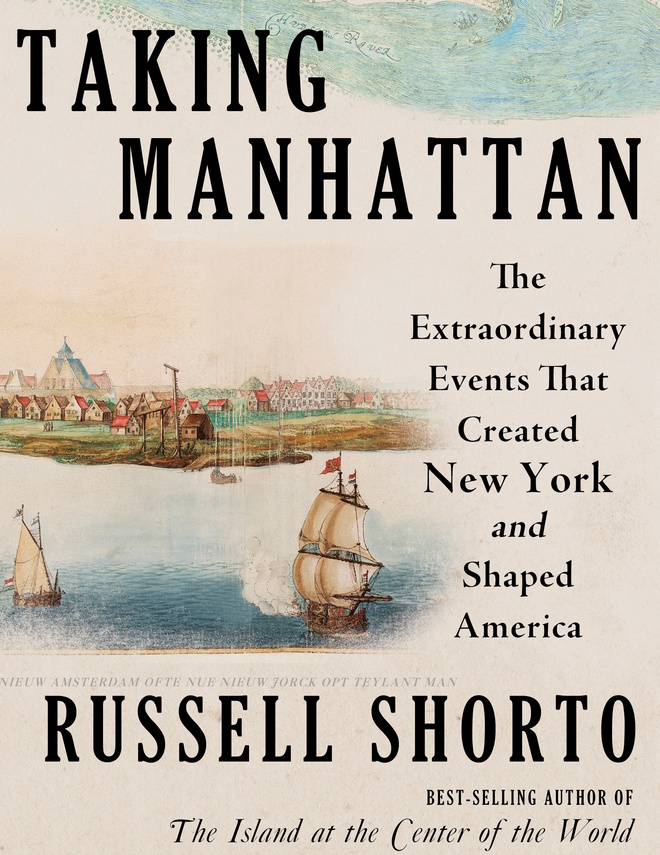
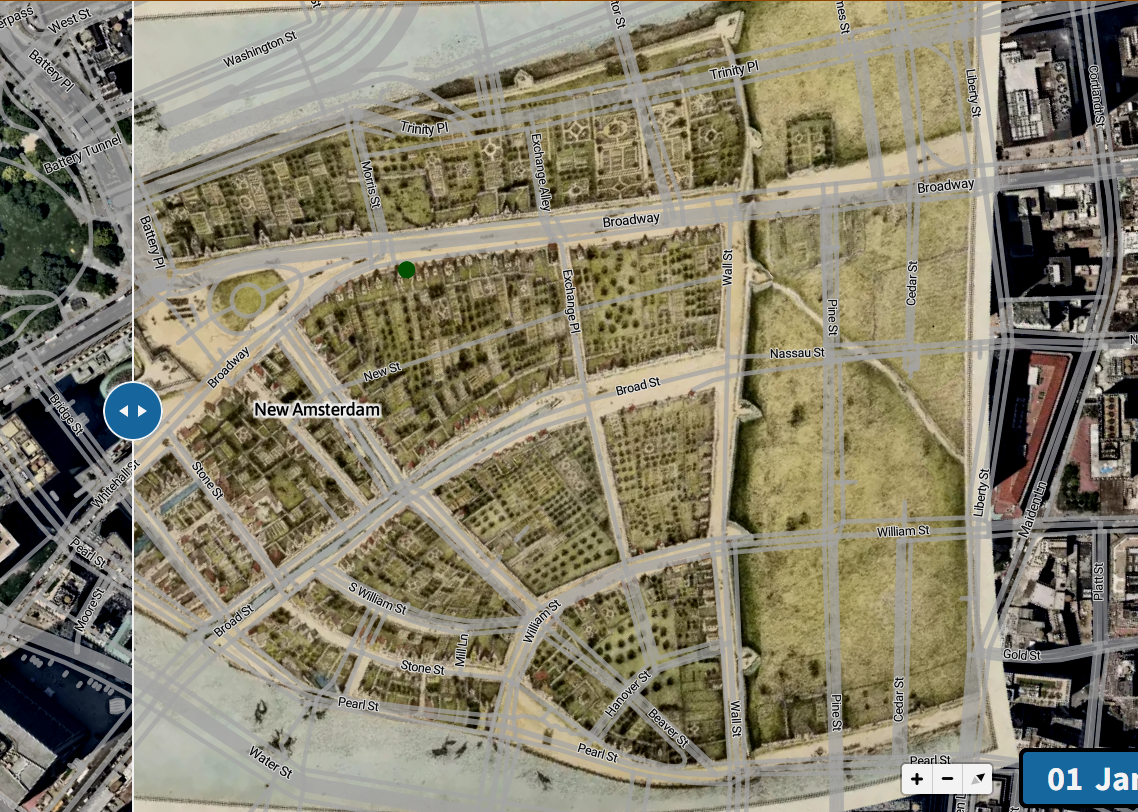
Russell Shorto, curator of "New York Before New York: The Castello Plan of New Amsterdam," and Deborah Hamer, Director of the New Netherland Institute, take a closer look at life in New Amsterdam through the Castello Plan.
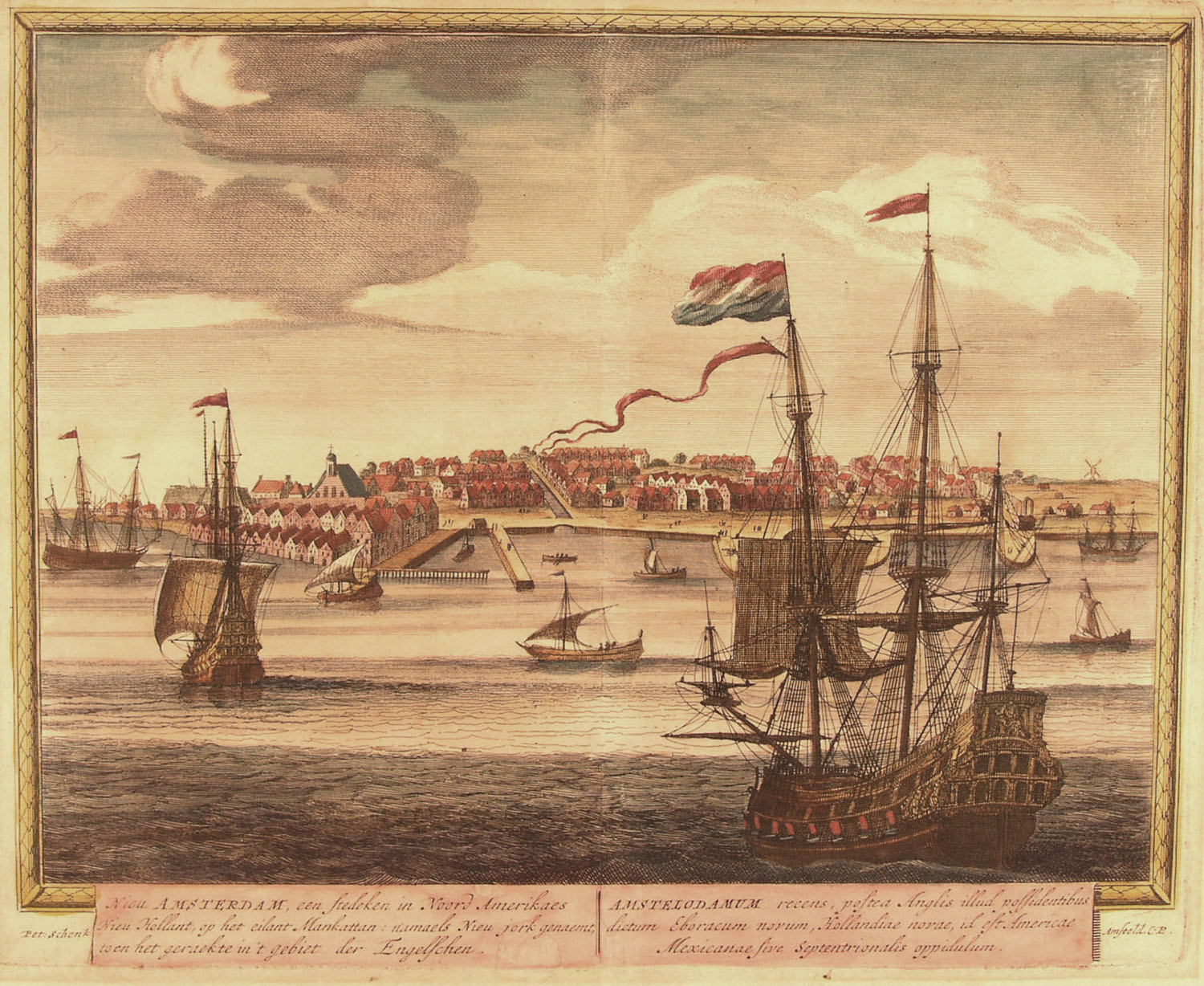
Four centuries ago, what had been a Lenape-speaking archipelago suddenly became New Amsterdam—a crossroads of Native American, European, and African cultures. Here, 18 languages were reported as being spoken within the first few decades, and the number is likely far greater.

Cornelius Vanderbilt IV was an American newspaperman and great-great-grandson of Commodore Cornelius Vanderbilt. Known for launching several short-lived newspapers and for his seven marriages, he also served in military intelligence and produced an early anti-Nazi documentary.

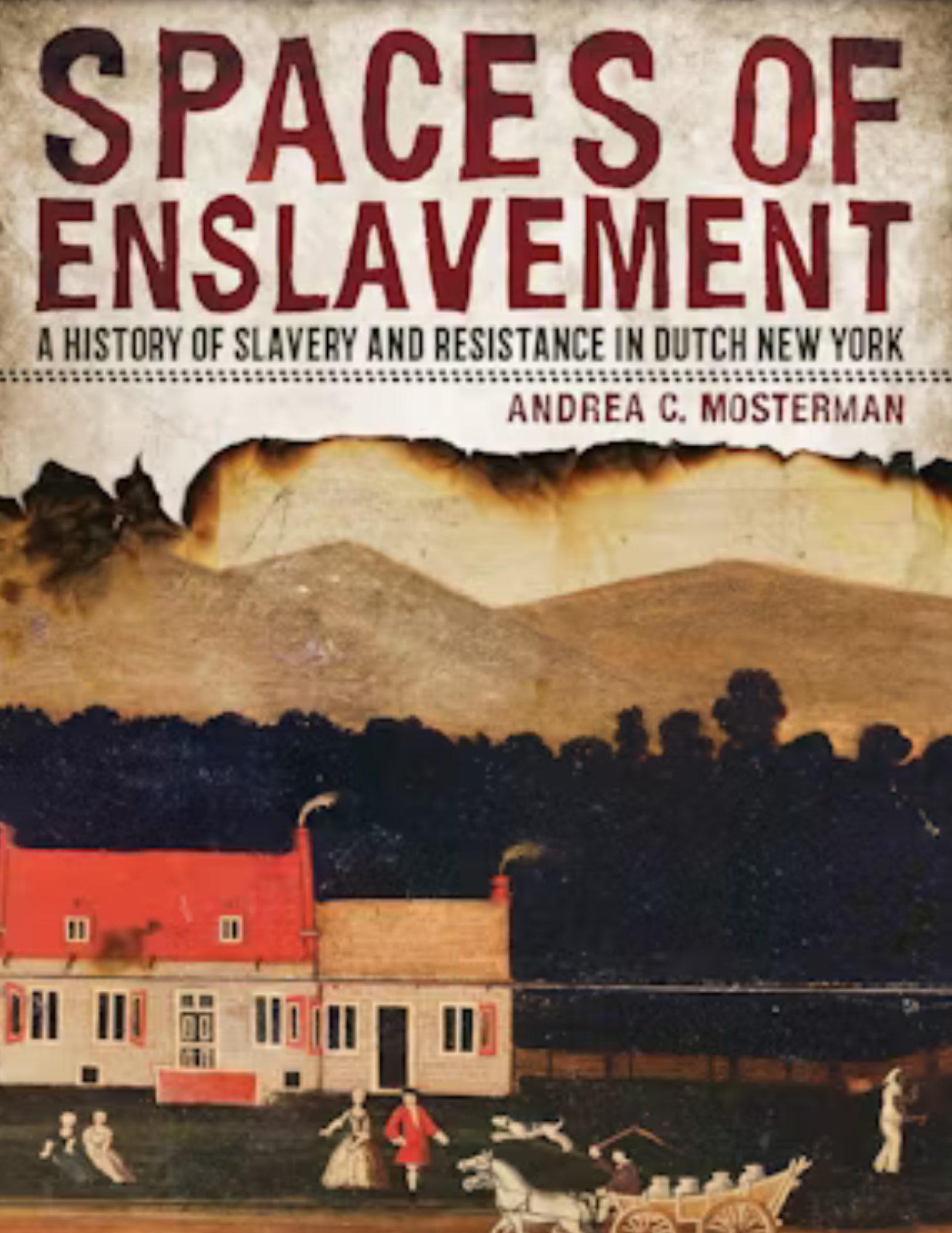
Slavery, race, community, and family were vital to the history and development of colonial New Amsterdam and New York. Examining familial and community networks of diverse women, especially enslaved women, reveals multiracial and dynamic connections among ordinary people who shaped the trajectory of the city’s history.
THE SCHOLARSHIP OF ALBANY'S ORIGINS - Historian Janny Venema joins Russell Shorto to discuss her decades of work with New Netherland documents, her Dutch roots, and her research on early Albany and patroon Kiliaen van Rensselaer.
What happened to Dutch traders and leaders in New Netherland after they surrendered to the British in 1664? Dutch colonists were able to maintain regional power based on the relationships that they had built with Indigenous nations in the previous decades.

Cornelius Vanderbilt III was an American engineer, inventor, and National Guard officer. A grandson of railroad magnate William H. Vanderbilt, he earned numerous patents, helped advance New York’s subway system, and served as a brigadier general during World War I.